Treat Chinese food as a collection of local conversations. A bowl of noodles in Beijing, a Shanghai dumpling breakfast, and a long Guangzhou dim sum lunch can tell you more than a checklist of famous dishes. This guide offers a practical starting route, rather than a ranking of cuisines or a claim that one meal represents a whole region.
Start with the place you are visiting
The familiar phrase ‘eight great cuisines’ can help you recognize certain restaurant styles, but it is an incomplete map. It does not adequately describe every provincial, minority, religious, urban, or household food tradition. Use a named cuisine as a search term, then narrow your attention to the city, neighborhood, season, and kitchen in front of you.
On a short trip, choose one local breakfast and one longer regional meal in each city. Leave another meal unplanned. This creates space for discovery without turning every lunch into a research assignment. Ask your accommodation staff what nearby workers eat at midday, then check the menu and your own dietary needs before joining a queue.
Beijing and Shanghai: two useful first stops
In Beijing, begin with a noodle shop or dumpling restaurant. The municipal tourism site describes zhajiang noodles and the city’s range of jiaozi fillings; these make useful menu landmarks. Ask how the noodle dish is assembled and whether a sauce contains meat. A dish’s name rarely provides a complete ingredient list.
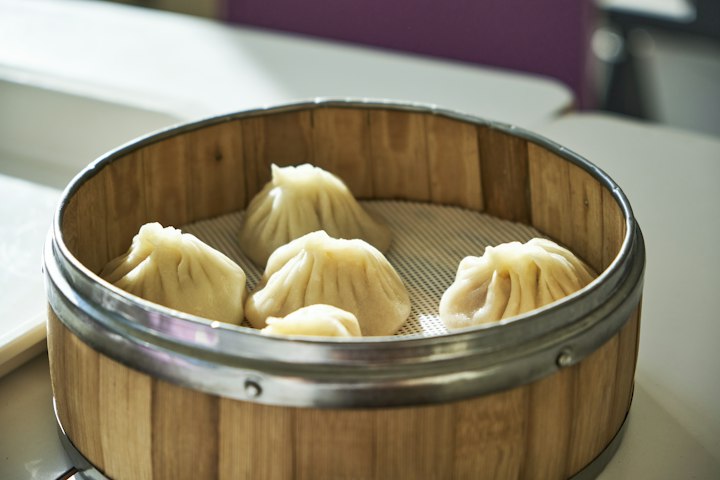
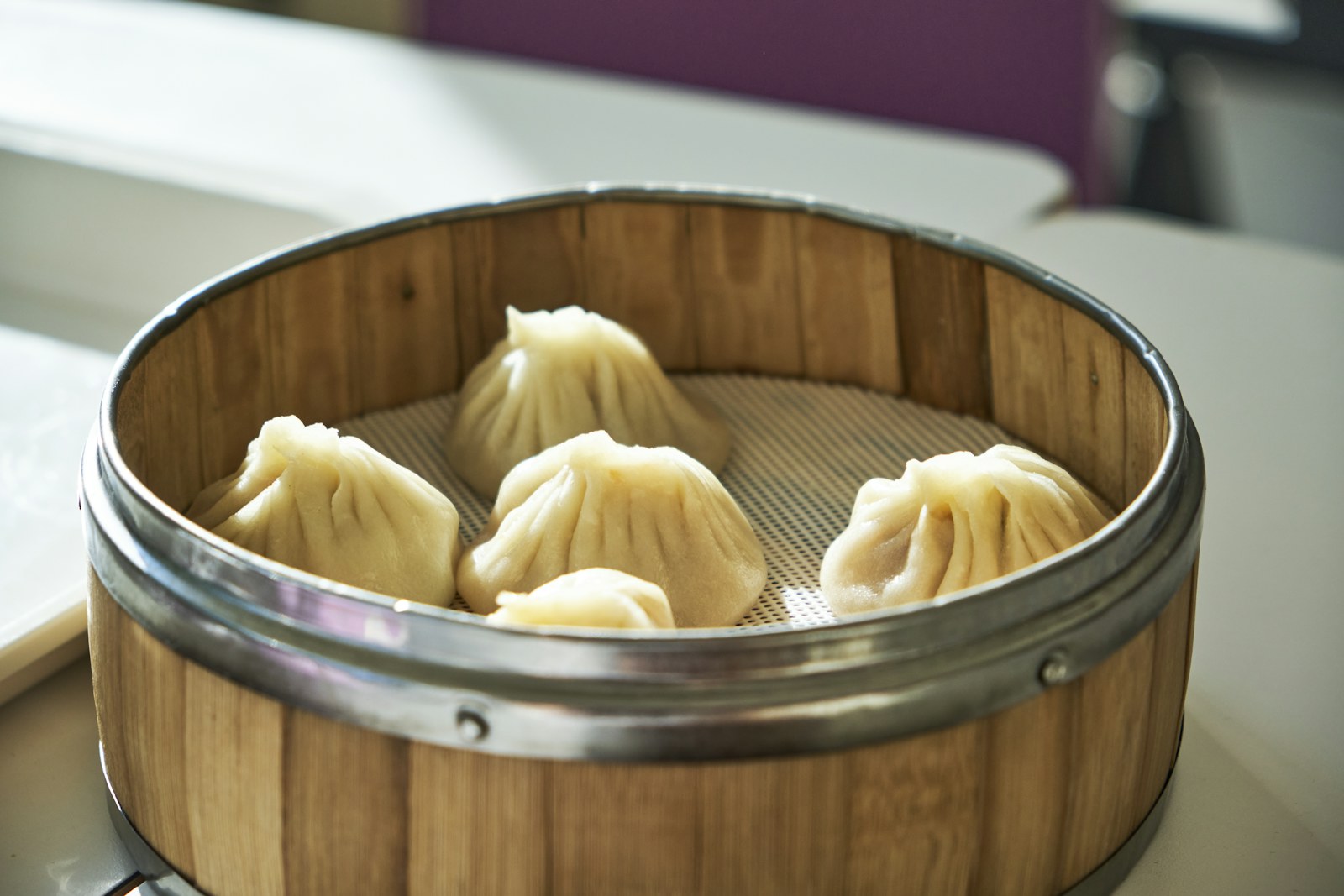
In Shanghai, try xiaolongbao as a focused meal rather than the first item in a giant order. Shanghai’s official food guide identifies Nanxiang xiaolongbao with Nanxiang in Jiading district and also highlights scallion oil noodles and yanduxian, a soup associated with spring bamboo shoots and pork. Choose between a dumpling breakfast and a seated lunch depending on your schedule.
Let hot soup dumplings cool, lift one carefully into your spoon, and take a small opening bite before committing to the filling. This is practical eating advice, not a test of cultural competence. Pair rich food with a vegetable dish or a lighter next meal, and resist ordering a city’s entire signature list at once.
Guangzhou and Chengdu: change the rhythm
Guangzhou’s Foreign Affairs Office describes soups, tea, dim sum, and late snacks as important parts of local food culture. A dim sum meal works best as time to sit and share: order a few small plates, see their size, and add more gradually. Ask whether tea and any table charges are priced per person or for the table before choosing.
For Chengdu, explore more than one kind of restaurant. Use the official GoChengdu gastronomy pages to discover Sichuan dishes, snacks, and food events, then confirm any venue directly. One useful editorial plan is a noodle lunch, a shared Sichuan dinner, and a separate hotpot meal. It gives each format enough attention without stacking several heavy meals into one day.
Explain your spice preference before ordering. ‘Less chili’ is a request rather than a guarantee, and a prepared sauce may already contain chili or Sichuan pepper. Ask which dishes the kitchen can genuinely adapt. A mild meal can be a good meal; there is no need to treat heat tolerance as an achievement.
Build a balanced first order
For two people at a restaurant serving shared dishes, begin with a main you both want, a vegetable dish, and a staple if needed. Confirm portions: a menu photograph offers little sense of scale. A specialist noodle shop or dim sum restaurant uses a different ordering pattern, so ask before applying this template.
When traveling alone, choose a place built around individual bowls, small portions, or counter meals. When traveling with a group, mix cooking methods and textures instead of ordering five variations of the same rich sauce. Make a note of the Chinese dish name after a meal you enjoy; that is a more useful souvenir than a photograph without context.
- Ask what is seasonal and what the kitchen is known for.
- Check the portion size before ordering several dishes.
- Confirm ingredients, stocks, oils, and shared preparation when dietary restrictions matter.
- Save the dish name and restaurant location for your own travel notes.
Turn meals into a more thoughtful journey
Do not add a distant city solely to tick off one dish. First explore the food already around your route: the same dish name may lead to different versions, and a contemporary restaurant can be as revealing as an old establishment. Regional cooking continues to change through migration, trade, new ingredients, and individual creativity.
These are editorial suggestions for exploring, not tested restaurant endorsements. The public sources below support the regional examples. Menus, ownership, prices, and booking requirements change, so verify a particular restaurant shortly before you go.
Common questions
Is all Chinese food spicy?
No. Choose a restaurant and dishes that match your preferences, and discuss sauces and preparation with the kitchen rather than relying on a regional label alone.
Do the eight great cuisines cover all of China?
They are a useful conventional framework, but they do not encompass all local, minority, religious, household, and contemporary food traditions.
Can I identify vegetarian food from the dish name?
A name is insufficient. Ask about meat, stock, lard, seafood seasonings, and preparation; a vegetable-looking dish may contain ingredients you avoid.
Sources & checking notes
- Shanghai municipal government: iconic dishes and delicacies
- Guangzhou Foreign Affairs Office: city overview and food culture
- Visit Beijing: streetside restaurants and noodle bars
- GoChengdu: gastronomy
Sources checked on 6 November 2026. Workflows, routes and troubleshooting suggestions are editorial guidance. Fees, eligibility, reservations and local services can change; follow the official links before relying on a rule.
Original synthesis of public information and editorial planning advice. We have not performed a live account, payment or on-site test of every workflow. This guide does not claim a firsthand visit or professional accreditation.