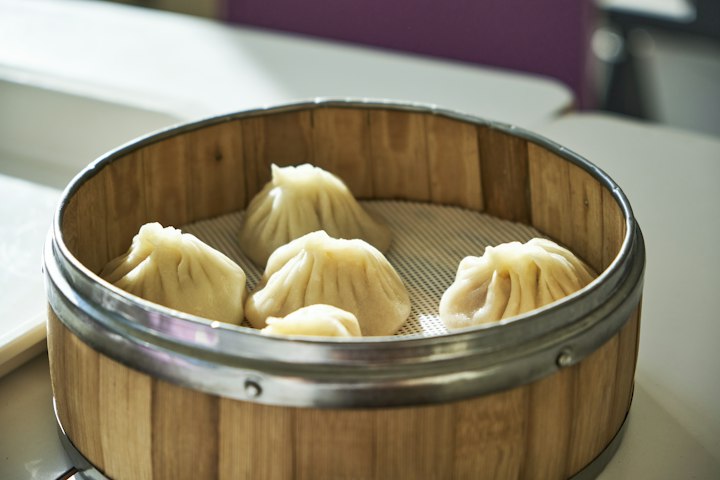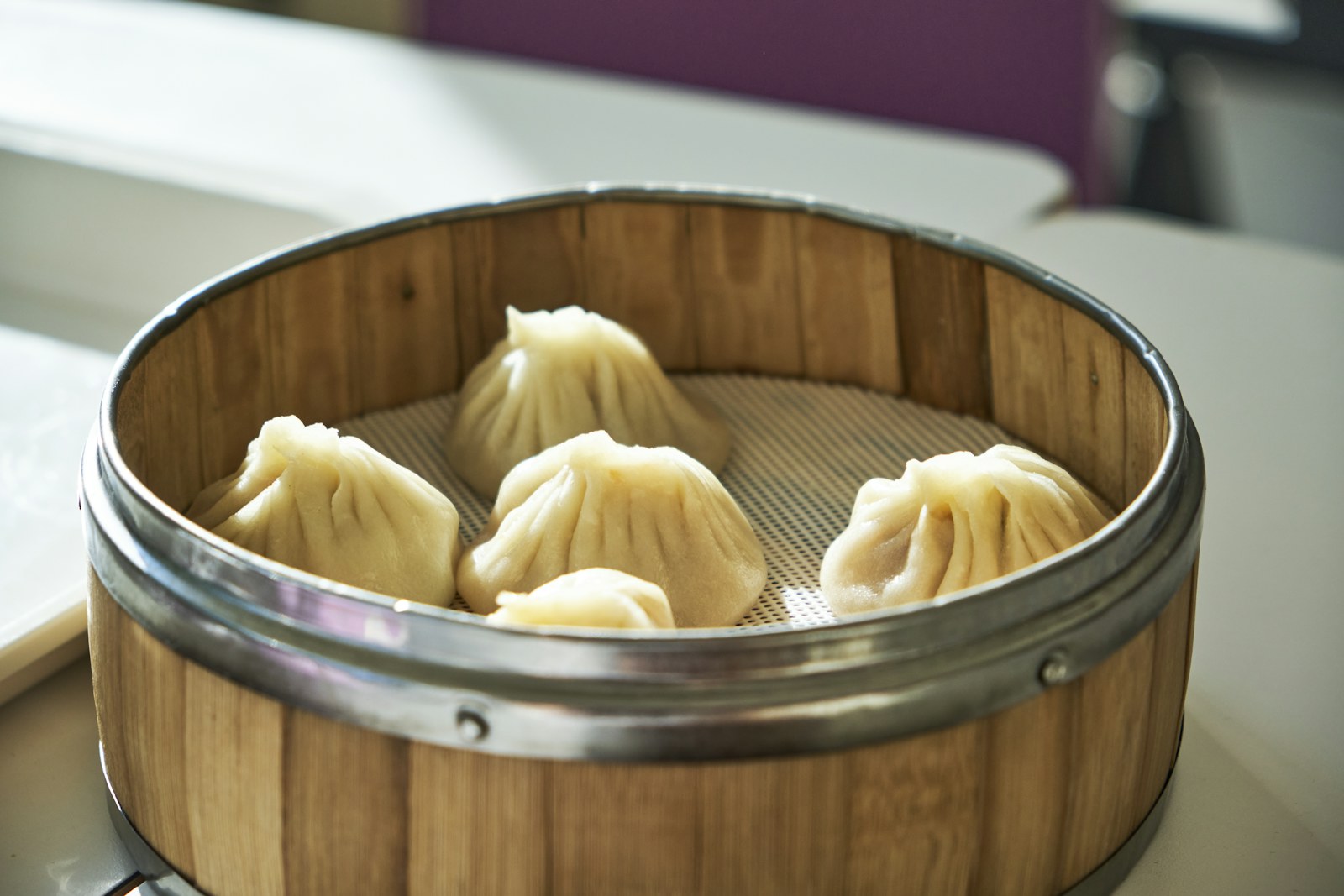
The English word 'dumpling' hides several useful distinctions. It can describe a crescent-shaped parcel, a delicate wrapper floating in broth, a soup-filled item in a steamer or a glutinous-rice ball. Learn the Chinese name alongside three questions—what is the wrapper, what is inside, and how is it cooked—and a menu becomes much easier to explore.
Use a family resemblance, not a rigid definition
Begin with the name on the actual menu. Names travel, translations overlap and a shop may use a regional term its regular customers understand without explanation. A photograph helps identify shape and presentation, but it does not establish the filling, ingredients or number in an order.
For a useful comparison, record wrapper, filling, method and serving format. Is the parcel boiled, steamed or pan-fried? Does it arrive in broth or alongside a dipping sauce? Are several small pieces a side dish, or is the serving intended as a meal? These distinctions tell you more than an argument about whether every item belongs in the same English category.
Jiaozi: begin with the filling and preparation
Jiaozi (饺子, jiǎozi) are closely associated with family preparation and festive meals in many northern Chinese contexts. Beijing's government includes making and eating them in its account of Spring Festival customs. That is a cultural example, not a claim that all Chinese households follow one food tradition. Beijing festive customs
At a restaurant, identify the filling before choosing how the dumplings are cooked. A broad description such as 'vegetable' may leave out another component; ask about the complete mixture if it matters. Also ask whether a price covers a portion, a stated number of pieces or a weight.
If sharing, order different fillings in a way the table can keep track of. Ask staff how they distinguish the plates, especially when the finished shapes look alike. The dipping sauce is a separate choice: taste the food first if you prefer, then add an amount that suits you.
Xiaolongbao: wrapper, filling and enclosed broth
Shanghai's official account describes xiaolongbao (小笼包, xiǎolóngbāo) as thin-skinned parcels with filling and broth. It explains that a jellied component melts during steaming and describes pork and crab-related versions among local examples. A 'soup dumpling' can therefore mean soup inside the wrapper, rather than a dumpling served in an external bowl of soup. Shanghai xiaolongbao introduction
Check the filling on your chosen menu rather than assuming that all baskets contain the same thing. Compare the wrapper's delicacy, the balance between filling and liquid, and the way the item holds together. These are useful tasting observations without needing to rank a city's restaurants.
The liquid can be very hot. Give the food time to cool and use the utensils provided; ask staff to demonstrate if needed. Do not rush to bite an unfamiliar parcel simply to imitate a short video. Also check the number in a basket before ordering several varieties for one person.
Wontons: ask about the parcel and its broth
Shanghai's municipal guide uses cairou huntun (菜肉馄饨, càiròu húntun) for pork-and-vegetable wontons. Its examples differ in wrapper and soup additions, including lard and other garnishes. A green filling or a relatively clear broth should not be treated as a complete ingredient list. Shanghai pork-and-vegetable wontons
At the table, notice the relationship between wrapper and filling. A loosely folded piece creates a different mouthful from a tightly packed parcel, while broth or dressing changes the whole dish. Ask whether the order is a soup, a dressed plate or another preparation instead of relying on the translated noun alone.
Useful practical questions concern size and accompaniments. A bowl containing larger wontons may already be a substantial meal; another version may be a lighter order alongside noodles. Ask what the serving includes before adding a second main dish.
Tangyuan: sweet and savoury possibilities
Tangyuan (汤圆, tāngyuán) introduce a glutinous-rice texture to the comparison. Shanghai's official guide presents both black-sesame and fresh-meat examples and discusses several regional traditions available in the city. Sweetness is therefore a question to ask, not something the English term 'rice ball' settles. Shanghai tangyuan guide
Before ordering, distinguish the filling from the surrounding liquid. Ask whether the portion is sweet or savoury and whether it is intended as a snack, dessert or more substantial dish at that shop. A name shared by two places does not ensure the same filling or preparation.
If your goal is to compare dumpling styles, choose one contrasting item rather than several nearly identical orders. A rice-based wrapper beside a wheat-based one can make the differences easier to describe. Do not infer any dietary suitability from the starch alone.
Turn the vocabulary into a manageable food stop
Choose a reachable shop and verify its current branch and menu. Historical municipal introductions help explain a dish, but listed addresses, opening arrangements and offerings can change. Save the Chinese name, ask about the portion and start with an order you can comfortably finish.
Try 这是什么馅的?— Zhè shì shénme xiàn de? — 'What is the filling?' Then ask 这是蒸的、煮的还是煎的?— Zhè shì zhēng de, zhǔ de háishi jiān de? — 'Is it steamed, boiled or pan-fried?' Point to the specific item while asking.
For an allergy, religious requirement or other restriction, ask about sauces, stocks, fats and shared preparation separately. These culinary categories explain a food; they do not certify a kitchen. Keep a second meal option when staff cannot resolve an important question.
Afterwards, note the name and what you liked about the wrapper, filling and serving style. This is a better guide to your next order than remembering only that you liked 'dumplings'. It leaves room for regional differences and for two shops to interpret the same dish differently.
Common questions
Does 'soup dumpling' always mean xiaolongbao?
English menu terms can overlap. Check the Chinese name and ask whether the soup is inside the wrapper or surrounds the dumplings in a bowl.
Are all tangyuan sweet?
No. The linked Shanghai source includes sweet and savoury examples. Check the actual filling and surrounding liquid before ordering.
Does a vegetable filling make the whole dish vegetarian?
Not necessarily. Ask about every component, including broth, fat and sauces, and discuss preparation when relevant to your requirements.
Sources & checking notes
- Beijing government: Spring Festival customs and jiaozi
- Shanghai government: xiaolongbao
- Shanghai government: pork-and-vegetable wontons
- Shanghai government: tangyuan traditions and fillings
Sources checked on 7 November 2026. Workflows, routes and troubleshooting suggestions are editorial guidance. Fees, eligibility, reservations and local services can change; follow the official links before relying on a rule.
Original synthesis of public information and editorial planning advice. We have not performed a live account, payment or on-site test of every workflow. This guide does not claim a firsthand visit or professional accreditation.