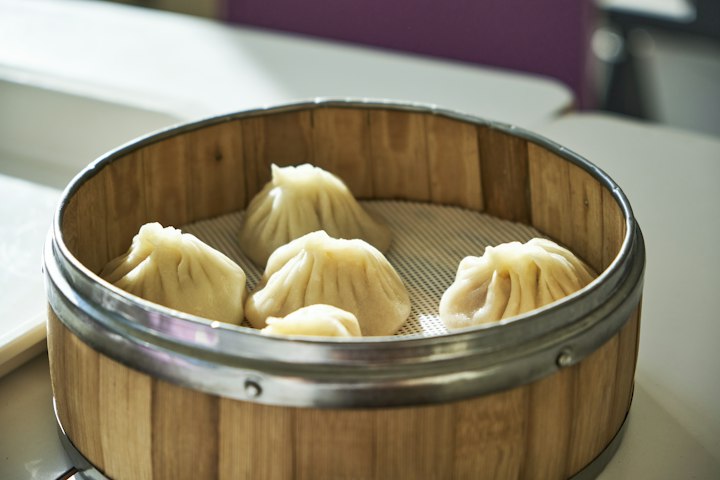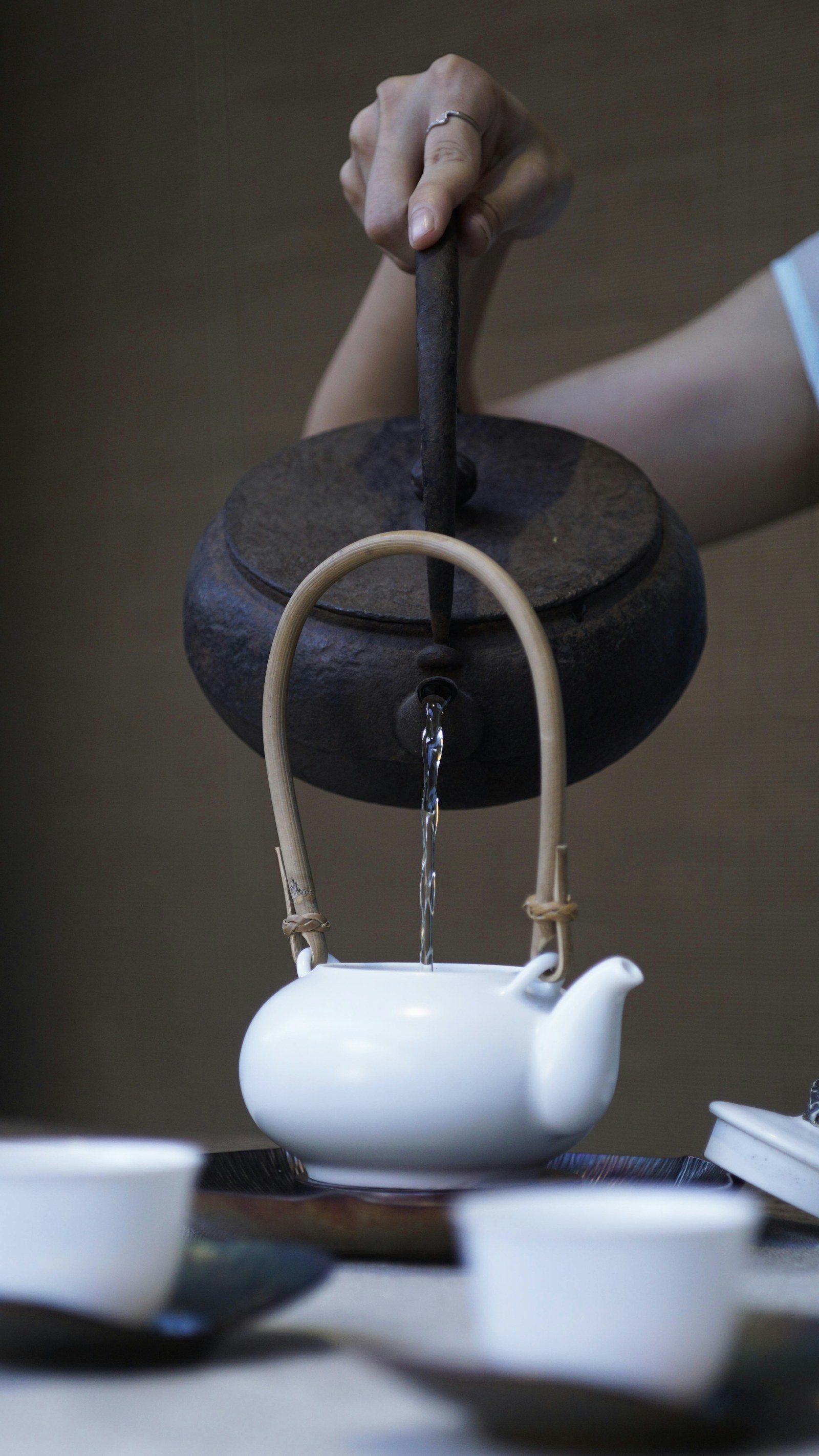
A tea stop can be a quiet hour, a conversation, a tasting lesson, or an introduction to a farming landscape. You do not need expert vocabulary to enjoy it. Start with what you like, agree on the price and format, and let the person preparing the tea explain what is in your cup.
Understand tea as a living practice
UNESCO’s entry on traditional tea processing and associated social practices in China covers cultivation, picking, processing, drinking, and sharing. It describes six broad tea categories: green, yellow, dark, white, oolong, and black. Scented teas add another layer of variety. A category gives you a starting point, not a complete prediction of taste.
Notice how the setting changes the experience. A restaurant may offer a straightforward pot with lunch; a specialist shop may prepare several short infusions; a neighborhood teahouse may be somewhere to spend an afternoon. Ask what kind of visit you are buying instead of assuming every tea service is a formal ceremony.
If an explanation uses unfamiliar terms, ask for comparisons you can understand: light or robust, roasted or floral, gentle or bitter. Describe a tea you already enjoy. You will learn more from a clear conversation than from trying to order the most prestigious name on the menu.
Choose the format before the leaves
For a first visit, choose a posted menu and a service format that fits your day. A single pot is convenient between sightseeing stops. A guided tasting makes more sense when you have time to compare several brews and ask questions. A shop tasting may be connected to retail sales; check whether the tasting has a fee and whether purchases are expected.
Clarify whether the charge is per person, per pot, per selection of leaves, or for a timed session. Ask about refills, food, private rooms, and any minimum spend before you sit down. This is ordinary travel budgeting, and a clear answer should help you relax rather than feel you must keep ordering.
Try a small purchase only after you have tasted the tea and understood the price by weight. Ask the seller to write the Chinese name, origin, packing date where applicable, and brewing advice. An attractive package alone tells you little about the product inside.
A few useful words at the table
Mandarin is useful in many settings, although local languages and tea terms vary. These simple phrases are original language aids: 茶单 — chá dān — tea menu; 绿茶 — lǜ chá — green tea; 红茶 — hóng chá — black tea; 乌龙茶 — wū lóng chá — oolong tea; 茉莉花茶 — mò lì huā chá — jasmine tea.
To ask the price, use 这个多少钱?— Zhè ge duō shao qián? — How much is this? To request a recommendation, use 您推荐哪一种?— Nín tuī jiàn nǎ yì zhǒng? — Which kind do you recommend? Show the written phrase if pronunciation becomes a barrier.
Wait for hot tea to cool enough for you, keep your attention on the person serving, and follow any instructions about handling the pot or cups. There is no need to imitate gestures you do not understand. A simple thank-you and a thoughtful question are a good beginning.
Look beyond the tasting room
FAO recognizes the Jasmine and Tea Culture System of Fuzhou as an agricultural heritage system. Its account connects tea and jasmine cultivation with processing skills, farming livelihoods, and the relationship between hills and riverside growing areas. That makes Fuzhou a useful place to investigate how a familiar fragrance relates to a working landscape.
FAO’s Pu’er tea heritage account describes the role of traditional knowledge, tea forests, and communities including the Blang, Dai, and Hani in Yunnan. A visit should give local producers room to explain their own practices. Ask who leads the experience, how farming families participate, and whether photography is welcome.
Build a tea-country outing around confirmed access, transport, and the season, rather than a promise that every plantation offers drop-in tours. Working fields are not automatically public attractions. Confirm walking conditions and demonstrations in advance, especially if a harvest activity is the main reason for your visit.
Plan one unhurried hour
Our suggested first tea stop is simple: select one clearly priced service, ask where the leaves come from, taste the first cup slowly, and notice how later infusions differ. Write down two or three sensory impressions in your own words. You do not have to agree with a tasting note to enjoy the tea.
Leave time between the tea stop and a booked attraction so the experience does not become another hurried appointment. This guide’s ordering and itinerary suggestions are editorial advice; the UNESCO and FAO records below support the heritage context. Individual venues, visits, and retail claims need their own current checks.
Common questions
Do I need to book a formal ceremony?
No. A clearly priced pot at a teahouse or restaurant is a useful first experience. Book a guided tasting when you want a longer explanation and comparison.
Why does Chinese hong cha mean black tea in English?
红茶, hóng chá, is the Chinese term normally translated as black tea. Keep the Chinese name written down when ordering to avoid confusion with dark tea.
Can I visit any tea plantation without arranging access?
Do not assume so. Confirm visitor access, transport, the activity on offer, and any booking requirements directly with the operator or producer.
Sources & checking notes
- UNESCO: traditional tea processing and associated social practices
- FAO: Jasmine and Tea Culture System of Fuzhou City
- FAO: Pu’er Traditional Tea Agrosystem
Sources checked on 6 November 2026. Workflows, routes and troubleshooting suggestions are editorial guidance. Fees, eligibility, reservations and local services can change; follow the official links before relying on a rule.
Original synthesis of public information and editorial planning advice. We have not performed a live account, payment or on-site test of every workflow. This guide does not claim a firsthand visit or professional accreditation.