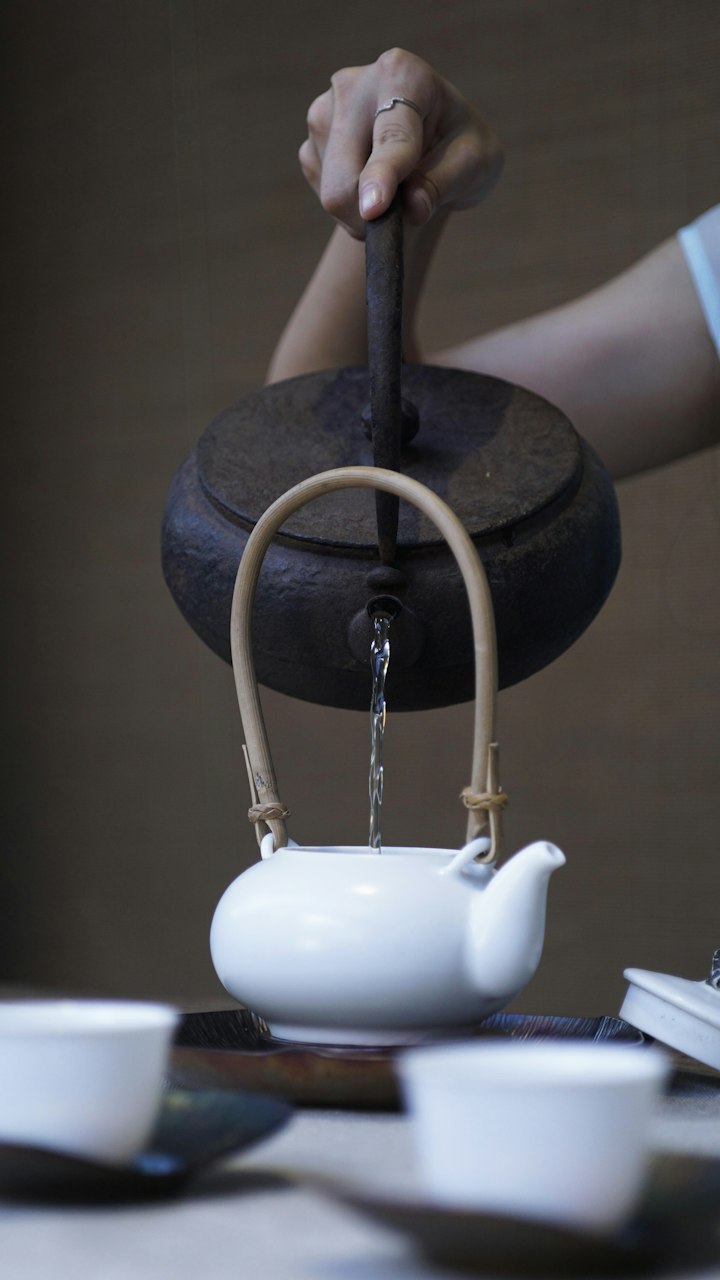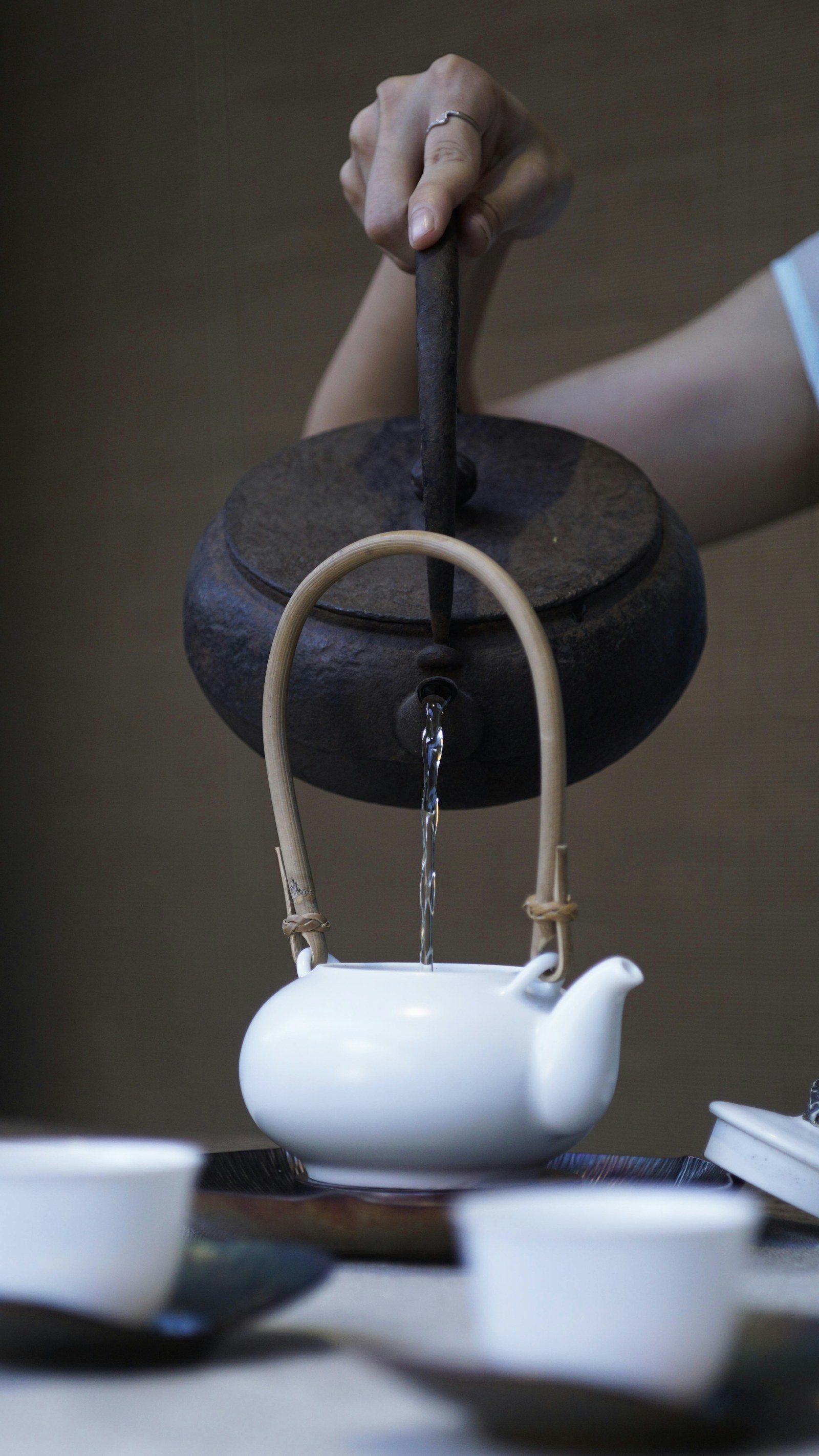
A Chengdu teahouse can be a pause in the park, a place to meet a friend, a traditional building in everyday use or a venue with a scheduled performance. Those experiences overlap, but they are different products. Decide what you want from the visit before buying a package. You do not need specialist tasting vocabulary or an evening show to spend a worthwhile hour with tea. You do need to check the current branch, seating arrangement and bill rather than treating a historic reputation as a promise about today.
Choose between a social stop, heritage outing and performance
For a short first stay, a park teahouse can fit between a museum and dinner. Choose somewhere convenient enough that you can stay for a while without worrying about the next transfer. If your aim is architecture and community history, give the building and neighbourhood their own outing rather than arriving only for a quick photograph.
If you want Sichuan opera or another scheduled show, inspect the named venue, programme, date and seating product. Tea included with a performance ticket is not necessarily the same purchase as an ordinary table during daytime service. Ask whether admission, tea, food and reserved seats are separate.
Avoid judging a place solely by whether other tourists are present. A busy destination can still support an interesting visit, while an apparently quieter room does not automatically welcome intrusive photography. Pick the setting that fits your interests and behave as a guest in a working business.
Understand why a teahouse is more than a stage set
The National Archives Administration’s account of Chengdu’s old teahouse archives describes business records spanning 1903–1949, including a Heming registration document and a tea-price association table. The material connects teahouses with the city’s commercial and social history. It documents an evolving urban institution, not a frozen scene that every contemporary venue must recreate.
Look at the room as a place with practical arrangements: where water is supplied, how staff move between tables, where people sit together and how long they stay. Those observations can be more revealing than searching for a single decorative object that proves authenticity.
Read historical claims with their dates intact. An archival business licence does not establish a modern opening time, current ownership or a guaranteed performance schedule. Similarly, a documentary-heritage recognition belongs to the named archival material; it is not a blanket World Heritage designation for every Chengdu teahouse.
Use Heming in People’s Park as a central starting point
Heming, 鹤鸣茶社, Hèmíng Cháshè, in People’s Park appears in a Ministry of Culture and Tourism-published 2025 feature describing covered-bowl tea and bamboo-chair conversation. It is a useful central lead when your interest is the park-and-tea setting. The feature is cultural context, not a current menu or a seat reservation.
Check the exact entrance and today’s service before settling on a table. A familiar business name can appear on daytime tea, food or evening products. Ask staff which area is ordinary tea service and whether a particular seat carries a separate arrangement.
Combine the stop with a modest park walk and leave breathing room in the schedule. On a busy day, a different available table or another tea stop may be preferable to waiting for the exact view you saw online. A famous lakeside image does not entitle a visitor to move someone else’s chair or occupy a table without ordering.
Make Guanyin Hall a deliberate heritage visit
UNESCO’s 2024 Asia-Pacific conservation awards gave an Award of Merit to the Guanyin Hall Teahouse Conservation Project. Its citation emphasises continued community use and work with traditional materials, including bamboo framing and earth-based plaster. This is a conservation award, distinct from inscription on the World Heritage List.
Sichuan’s published historic-building inventory locates the old teahouse in Pengzhen, Shuangliu. Plan it as a separate location from a central People’s Park tea break. Verify the present address, opening and return transport before travelling; an inventory records a building and does not promise visitor service.
If you go, make time to order something and observe without staging the room. Ask before photographing a person at close range. Do not treat regular customers as performers, rearrange furniture for a picture or block a working passage. Those are editorial recommendations for a considerate visit, rather than claims about a special nationwide photography law.
Handle the covered bowl at your own pace
A gaiwan, 盖碗, gàiwǎn, has a lid and bowl, often resting on a saucer. Ask staff how they suggest using the vessel in this setting; covered bowls can be used for drinking or for preparing tea, and a formal tasting demonstration is a different arrangement from an ordinary tea order.
Treat the water, lid and bowl as hot. Let the tea cool and ask for help if handling it is awkward. You can request a more suitable cup rather than attempting an unfamiliar motion for a photograph. Keep a child’s reach and the position of a kettle in mind when choosing a seat.
续水可以吗? Xù shuǐ kěyǐ ma? — May I have more water? is a useful refill question. Confirm any charge beforehand. Let staff handle their work area and equipment; a historical description of self-service water arrangements elsewhere is not an invitation to use a stove or kettle without permission.
Confirm optional services and performance terms separately
If someone offers an additional service, ask who provides it, its total price and whether you want it before agreeing. A teahouse table does not mean every passing offer is included. If you prefer a quiet stop, decline politely and keep the visit focused on tea.
For a show, ask about the actual length, format, sightline and seating category, along with change or cancellation conditions. A promotional image does not guarantee a particular act or performer on your date. Families should consider sound, duration and the ability to leave comfortably.
Keep your order or payment record, and check that the bill matches what was agreed. If it does not, ask the business to explain the items before making a second payment. Use the original platform’s support when the purchase was a package rather than assuming the tea counter controls every component.
Leave time for the visit to become ordinary
Put the phone away for part of the stop. Notice the changing light, conversation and everyday work without trying to record every person. If someone starts a friendly exchange, participate at a comfortable level; neither a local conversation nor fluent English service is guaranteed.
Leave when it suits you, and return borrowed items or clear the space as staff request. A single unhurried tea break can add more to a Chengdu visit than several hurried photo stops. Connect it with a nearby meal and your city itinerary, leaving another neighbourhood or outlying heritage visit for a separate day.
Common questions
Do I need to buy an opera ticket to visit a Chengdu teahouse?
No. Ordinary tea service and scheduled performances are different experiences. Check the product and venue you are choosing rather than assuming a show is part of every tea order.
Does a tea price always include unlimited refills?
Do not assume so. Ask what the current order includes, how refills work and whether there are other seat or service charges.
Is Guanyin Hall a UNESCO World Heritage Site?
The specific teahouse conservation project received an Asia-Pacific Award of Merit in 2024. That award is different from World Heritage List inscription.
Sources & checking notes
- National Archives Administration / Chengdu archives — old teahouse records and their use, July 2025
- Ministry of Culture and Tourism / China Culture Daily — Heming and People’s Park, August 2025
- UNESCO — 2024 Asia-Pacific conservation awards, Guanyin Hall Teahouse citation
- Sichuan provincial government — Chengdu historic-building inventory, including Guanyin Hall in Pengzhen
Sources checked on 7 November 2026. Workflows, routes and troubleshooting suggestions are editorial guidance. Fees, eligibility, reservations and local services can change; follow the official links before relying on a rule.
Original synthesis of public information and editorial planning advice. We have not performed a live account, payment or on-site test of every workflow. This guide does not claim a firsthand visit or professional accreditation.