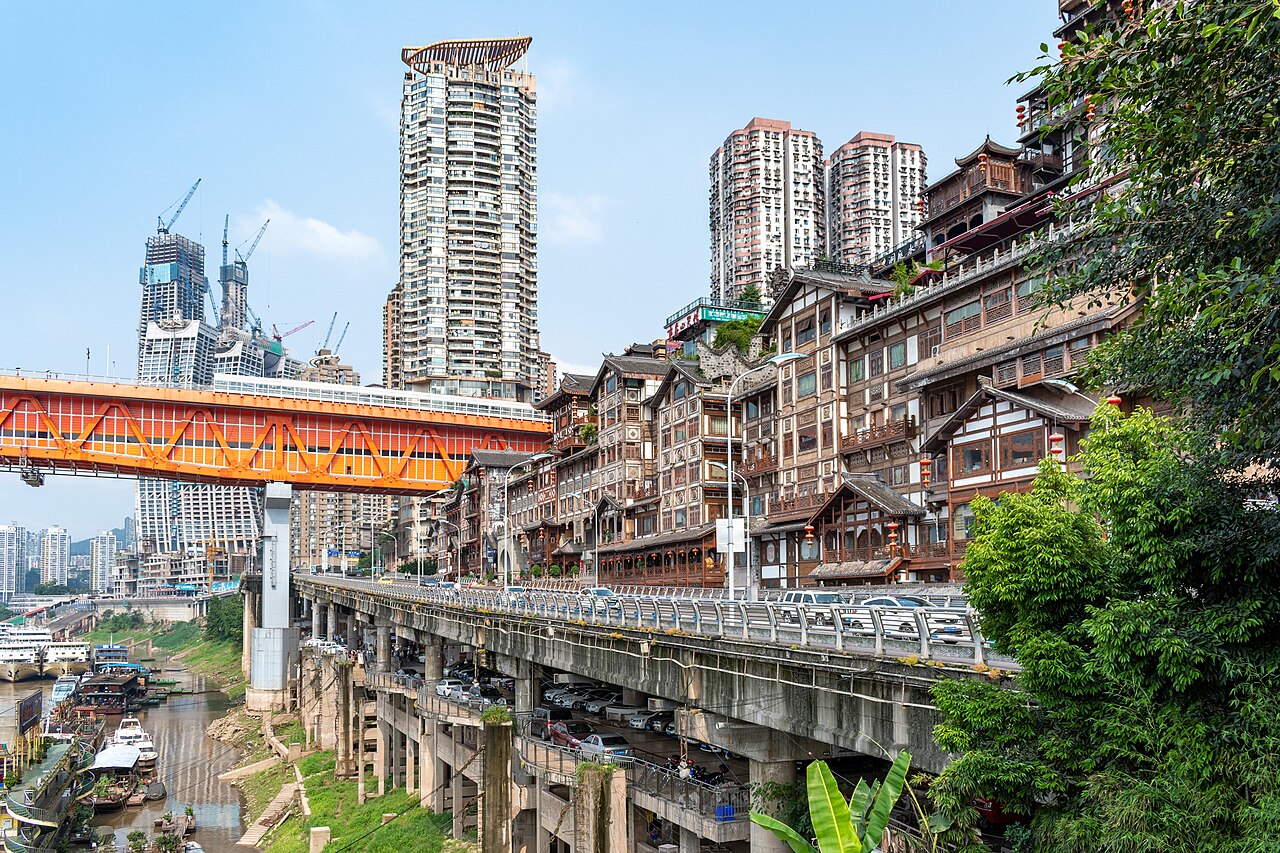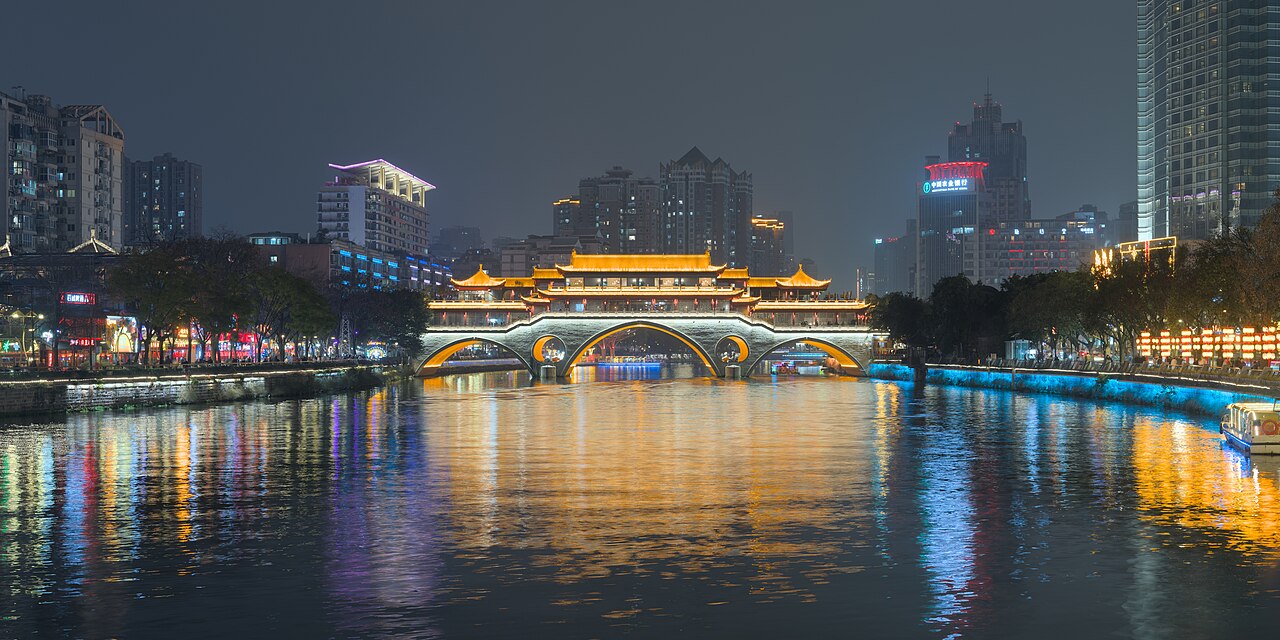
Give Chengdu one major outing each day and leave generous space between meals. This three-day plan combines the Chengdu Research Base of Giant Panda Breeding with central-city walks, tea and food. The route is an editorial suggestion built from public sources. It does not promise a particular panda sighting, restaurant experience or performance programme.
Choose a base and resist the day-trip checklist
Choose accommodation with convenient metro access and check the actual distance from your arrival station or airport. A listing described as being in Chengdu can still involve a considerable transfer. Save your hotel's Chinese name and address, and download or screenshot the first day's directions. Book the panda visit through channels linked by the base itself, checking the correct gate, date and any entry period.
With three full days, you do not need to add both Leshan and Mount Qingcheng to have a worthwhile trip. Those are substantial outings. If one is your priority, replace a city day or extend your stay. This itinerary deliberately gives the panda visit its own morning and preserves a slower afternoon afterwards.
Day 1: Tea, a city walk and an introduction to Sichuan food
Start in central Chengdu with People's Park and a teahouse stop. GoChengdu's public visitor guide includes Heming Tea House in the park among the city's experiences. Sit down long enough for tea to be an activity rather than a photograph. Confirm the price and what is included before ordering; a seat beside a lake, a performance package and a simple cup of tea may be different products.
Continue towards the Kuanzhai area if you want a compact walking-and-shopping afternoon, or choose another nearby neighbourhood and keep the pace gentle. Busy commercial lanes can be enjoyable without representing every aspect of local life. Do not assume that seeing card or mahjong games means visitors are automatically invited to join. Watch without crowding the table and ask before photographing individuals.
For dinner, begin with a mixed selection rather than making every dish a spice challenge. Chengdu has belonged to UNESCO's Creative Cities Network as a City of Gastronomy since 2010; the designation recognises a broad food culture, not a requirement that every meal be hotpot. Ask about chilli and Sichuan pepper separately if heat and numbing flavours are unfamiliar. Ingredients such as peanuts, sesame, shellfish and meat stock need their own questions.
Day 2: A panda visit shaped around animal welfare
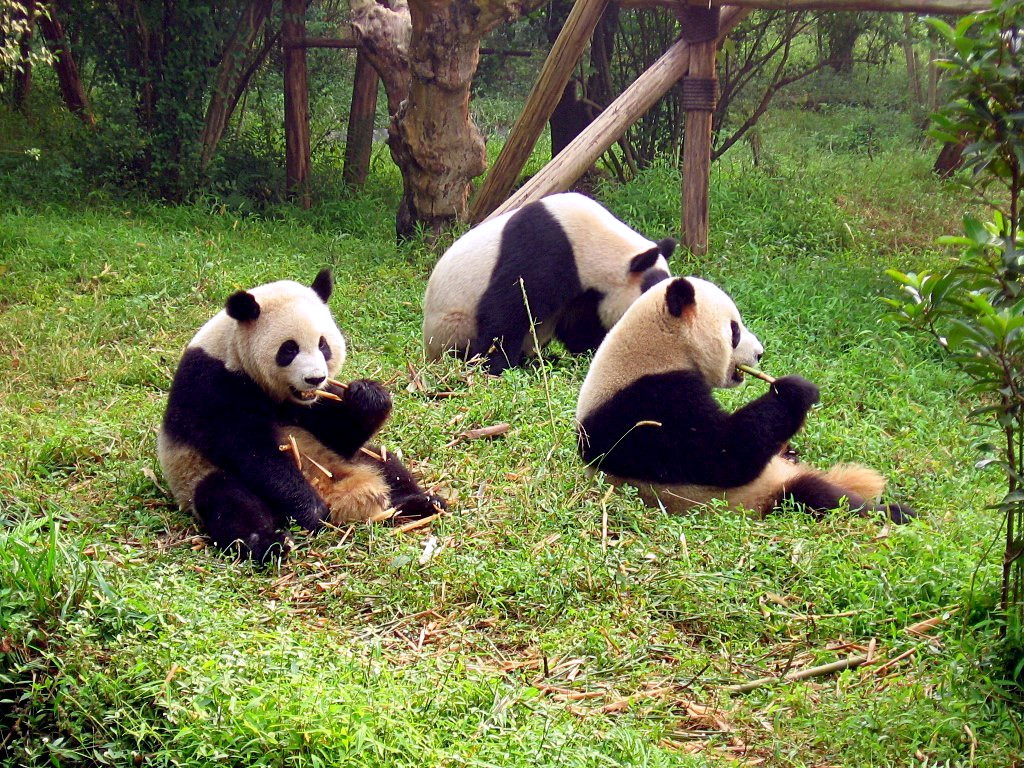
Leave early enough to reach your confirmed entrance comfortably, but avoid promising yourself that an early arrival guarantees active animals. Weather, care routines and individual behaviour affect what is visible. Consult the base map and choose a manageable loop instead of walking to every enclosure. The site is extensive; build in rest stops and carry weather protection.
The base's current visitor notice says that some spaces or animals may be unavailable for conservation, weather or maintenance reasons. It is also piloting a rest rotation: No. 6 Giant Panda Villa is closed to visitors on Mondays except statutory holidays, and the Panda Art Museum has a Monday closure. These are specific area restrictions, rather than a statement that the entire base closes on Mondays. Recheck the latest notices for your date.
Follow the posted welfare rules: keep your voice low, turn off camera flash, never feed animals or throw objects into enclosures, and stay behind barriers. The base also asks visitors to remain at least three metres from free-roaming animals and red pandas in walk-through areas. If a view is crowded, wait or move on. A good visit does not require an unobstructed close-up of every animal.
Return to the city for lunch and a flexible afternoon. A cafe, a neighbourhood walk or time at your hotel is a sensible follow-up. Avoid attaching a distant excursion to the panda morning; queues and walking time are difficult to predict, and a rushed second appointment encourages you to hurry through the part you came to see.
Day 3: Historic atmosphere and contemporary Chengdu
Use the morning for Jinli and its surrounding area, or choose a museum that fits your interests after checking its current opening and reservation rules. Jinli is a convenient place to browse snacks and traditional-style streetscapes, but allow yourself to leave the busiest stretch when you want a quieter lunch. Treat a food stall as an individual business: check the menu, preparation and ingredients instead of assuming all items are interchangeable.
In the afternoon, move to the Daci Temple and Taikoo Li area for a change of setting, or return to a teahouse if a slower finish appeals more. If entering a place of worship, follow its signs, avoid obstructing worshippers and ask about photography. Contemporary shopping streets, temple precincts and leisure spaces all contribute to the city's story.
A Sichuan opera performance can complete the evening. Compare the advertised programme, seat location and duration before purchasing: a short tourist showcase and a full theatrical performance offer different experiences. Finish with a modest supper if you already had a large lunch. For departure the next day, keep the exact station or airport name in your itinerary and leave a separate transfer buffer.
Places in pictures
Common questions
Is the panda base closed on Mondays?
The visitor notice checked for this guide lists Monday closures for specific areas, including No. 6 Giant Panda Villa and the Panda Art Museum, with holiday exceptions. Check current notices rather than assuming the whole base is closed.
Will I definitely see active pandas in the morning?
No. An early visit is a planning choice, not a guarantee. Weather, welfare needs and animal behaviour determine what visitors can see.
Can I enjoy Chengdu if I do not like spicy food?
Yes, but order carefully and communicate your preferences. Ask about chilli, Sichuan pepper and other ingredients separately. Do not treat a request for mild food as an allergy safeguard.
Sources & checking notes
- Chengdu Research Base of Giant Panda Breeding — official visitor rules
- UNESCO Creative Cities Network — Chengdu
- GoChengdu — bilingual public city visitor guide
- International Tourism Alliance of Silk Road Cities — Chengdu city profile
Sources checked on 6 November 2026. Workflows, routes and troubleshooting suggestions are editorial guidance. Fees, eligibility, reservations and local services can change; follow the official links before relying on a rule.
Original synthesis of public information and editorial planning advice. We have not performed a live account, payment or on-site test of every workflow. This guide does not claim a firsthand visit or professional accreditation.