Festival travel rewards curiosity and careful timing. A celebration can open a window into family life, food, and community traditions, while a public holiday can change transport demand and opening arrangements. Plan around the specific place and event rather than expecting a single national festival experience.
Separate the festival, the holiday, and the event
A traditional festival date, an official public-holiday break, and a local performance schedule are three different things. They may overlap, but knowing one does not tell you the other two. Some traditional celebrations follow the Chinese calendar, so their Gregorian dates shift from year to year; local programming may extend beyond the main day.
For planning, check the State Council’s annual holiday announcement, then the host city or venue’s event notice, and finally the booking terms for your transport and accommodation. Pay attention to adjusted working weekends in the national announcement. An ordinary-looking Saturday on your own calendar may operate differently in the local schedule.
This guide intentionally avoids a reusable table of future dates. Follow the official calendar link below for the year of your trip, and record when you checked it. Recheck event notices shortly before traveling; a historic custom is not a guarantee of a public performance on your chosen evening.
Spring Festival: begin with family and community
UNESCO describes Spring Festival as a collection of social practices marking the traditional new year, including family reunions, greetings, and hopes for good fortune. The inscription emphasizes a living tradition shared through communities. For visitors, this is useful context: many meaningful activities are personal and domestic, not staged for travelers.
Choose a publicly announced temple fair, museum program, market, or performance if you want an accessible introduction. Confirm tickets and the venue’s holiday hours. Ask before photographing family rituals or joining a private gathering. Treat an invitation as hospitality, not an entitlement to a cultural experience.
A sensible editorial plan is to stay longer in one base rather than build several essential transfers into the holiday. Reserve accommodation and onward transport early enough to understand your options. Check the restaurants near your hotel directly, and identify a few alternatives before a long sightseeing day.
Dragon Boat Festival: follow the local story
UNESCO’s Dragon Boat Festival account places the celebration on the fifth day of the fifth lunar month and describes regional variation in the figures honored and the customs practiced. Boat races and rice dumplings are familiar entry points, but the festival has several local expressions. Avoid presenting a single origin legend as the whole story.
If a race is your priority, find an organizer’s notice with the exact waterway, spectator access, start times, and weather arrangements. Arrive through the designated public route and follow barriers and staff instructions. Leave the rest of the day flexible; the atmosphere and the crowd are part of the outing, and moving between viewing areas may take longer than expected.
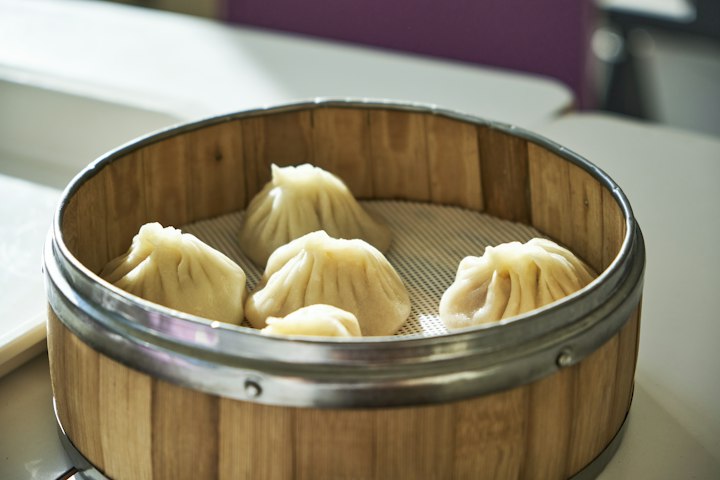
Try zongzi from an established seller if the ingredients suit you, and ask about the filling before buying. A food workshop can be worthwhile when it explains who teaches it and what participants actually do. Check whether the activity is a demonstration, a hands-on class, or mainly a retail stop.
Keep room for autumn and local celebrations
Mid-Autumn Festival appears in the official public-holiday calendar, while National Day is another important date to check when shaping an autumn journey. If you are looking for seasonal food, lantern displays, or evening programs, use the destination’s current public notices instead of assuming that every city offers the same activities.
China’s cultural calendar extends well beyond a short list of nationwide holidays. Ask museums and local cultural institutions about community events, craft demonstrations, and traditions connected to your exact destination. Learn the event’s name, the community hosting it, and any expectations for visitors before you add it to an itinerary.
A smaller event with a clear public invitation may be easier to understand than a large spectacle. Allow time to read exhibition labels, listen to an explanation, and support the host through an appropriate ticket or purchase. Avoid turning a community gathering into a photography assignment.
A festival-trip checklist that stays useful
Choose one essential experience and plan the rest of the day around it. Keep a screenshot of the official event notice and the venue name in Chinese. Confirm a return route before attending a late program, and check the cancellation terms for anything dependent on weather.
The recommendations here are editorial planning advice, not a crowd forecast or a promise that a particular activity will run. The sources establish the heritage context and the official route for checking holiday arrangements; the final details belong to the host venue and transport operator.
- Verify the public-holiday dates for your travel year.
- Confirm the actual local event, venue, and booking channel.
- Check accommodation, transport, and restaurant arrangements separately.
- Ask before photographing people or entering nonpublic ritual spaces.
Common questions
Are festival dates the same every year?
Several traditional festivals follow the Chinese calendar and move on the Gregorian calendar. The official public-holiday break and local event schedule must also be checked separately.
Will I see dragon boat races anywhere in China?
Do not assume that. Choose a destination with a confirmed public event and check the organizer’s current notice, spectator arrangements, and weather updates.
Should I avoid every public holiday?
It depends on your interests and flexibility. If a festival is the purpose of your trip, stay longer in a base and confirm the essential bookings. If your priority is simpler transfers, compare dates outside the official breaks.
Sources & checking notes
- UNESCO: Spring Festival social practices
- UNESCO: Dragon Boat Festival
- Beijing government: official public-holiday information
- State Council: public holidays for 2027
Sources checked on 6 November 2026. Workflows, routes and troubleshooting suggestions are editorial guidance. Fees, eligibility, reservations and local services can change; follow the official links before relying on a rule.
Original synthesis of public information and editorial planning advice. We have not performed a live account, payment or on-site test of every workflow. This guide does not claim a firsthand visit or professional accreditation.