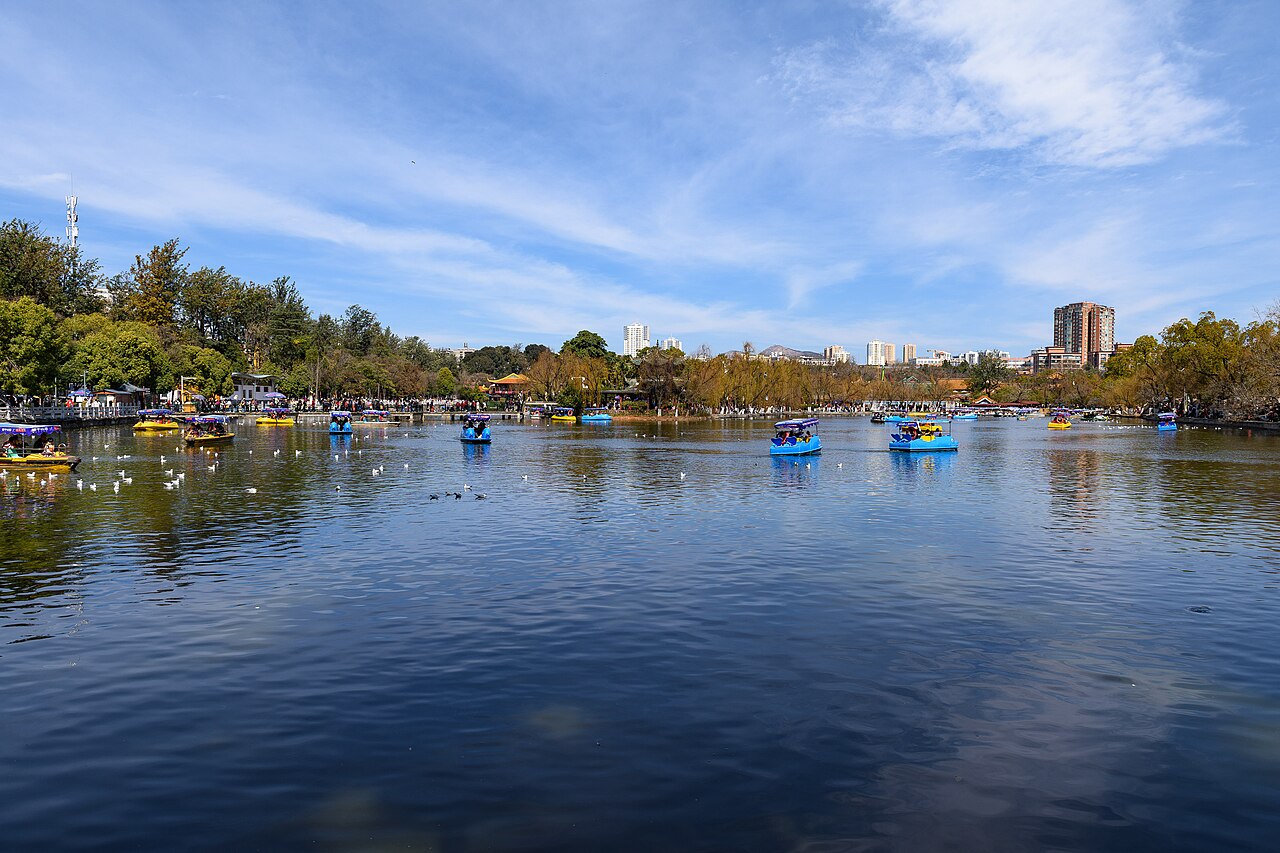
Choose a landscape by the experience you want and the journey you can realistically make. A granite mountain, a river bordered by karst hills, a stone forest and a desert with lakes ask different things of your schedule. The examples here introduce contrasting settings, then turn the photograph into questions about a base, entrance, operator and return route.
Choose the kind of day before the destination
Decide what matters most: seeing a broad view, learning about landforms, travelling on water, spending time along a maintained path or staying near a dramatic setting. Then consider how much movement, waiting and exposure to weather your party wants. 'Nature' is too broad a label to answer those questions.
Compare the entire trip from your overnight base. A spectacular photograph does not show the transfer, entrance queue, internal transport or journey back. A destination is a good fit when the visitor experience you want can be confirmed, not simply when its scenery looks different from your last stop.
The examples below are introductions, not a list of every landscape in China or a set of recommended unmarked routes. UNESCO interpretation explains why these places are significant. Current operators and local authorities determine what is open and how visitors may use it.
Granite mountains: Huangshan as a starting example
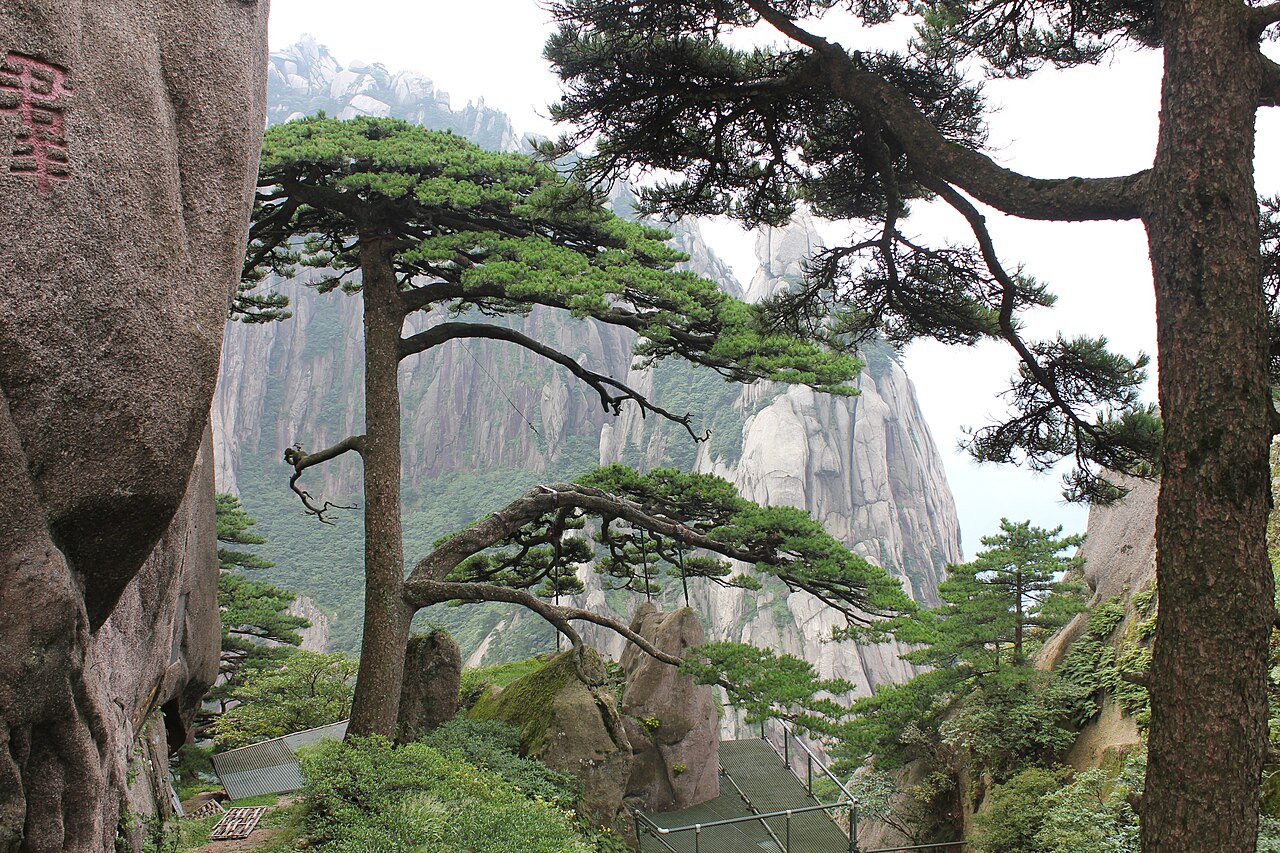
UNESCO describes Huangshan in Anhui through its granite peaks and rocks, pines, cloud effects and long relationship with art and literature. That connects a physical landscape with ways people have represented it. It does not guarantee the cloud scene in a promotional photograph on your travel day. UNESCO: Mount Huangshan
When planning a mountain visit, identify the actual visitor entrance and the section you want to experience. Ask about required steps and gradients, any internal transport essential to your plan, and how you return if that service changes. An advertised cableway does not by itself establish a step-free visit.
Decide whether your interest calls for a short authorised viewing route, a longer day or an overnight arrangement. Verify the available option before reserving connecting transport. Do not make sunrise, clear views or a particular atmospheric effect the condition for a successful visit.
River landscapes: identify the exact Guilin experience
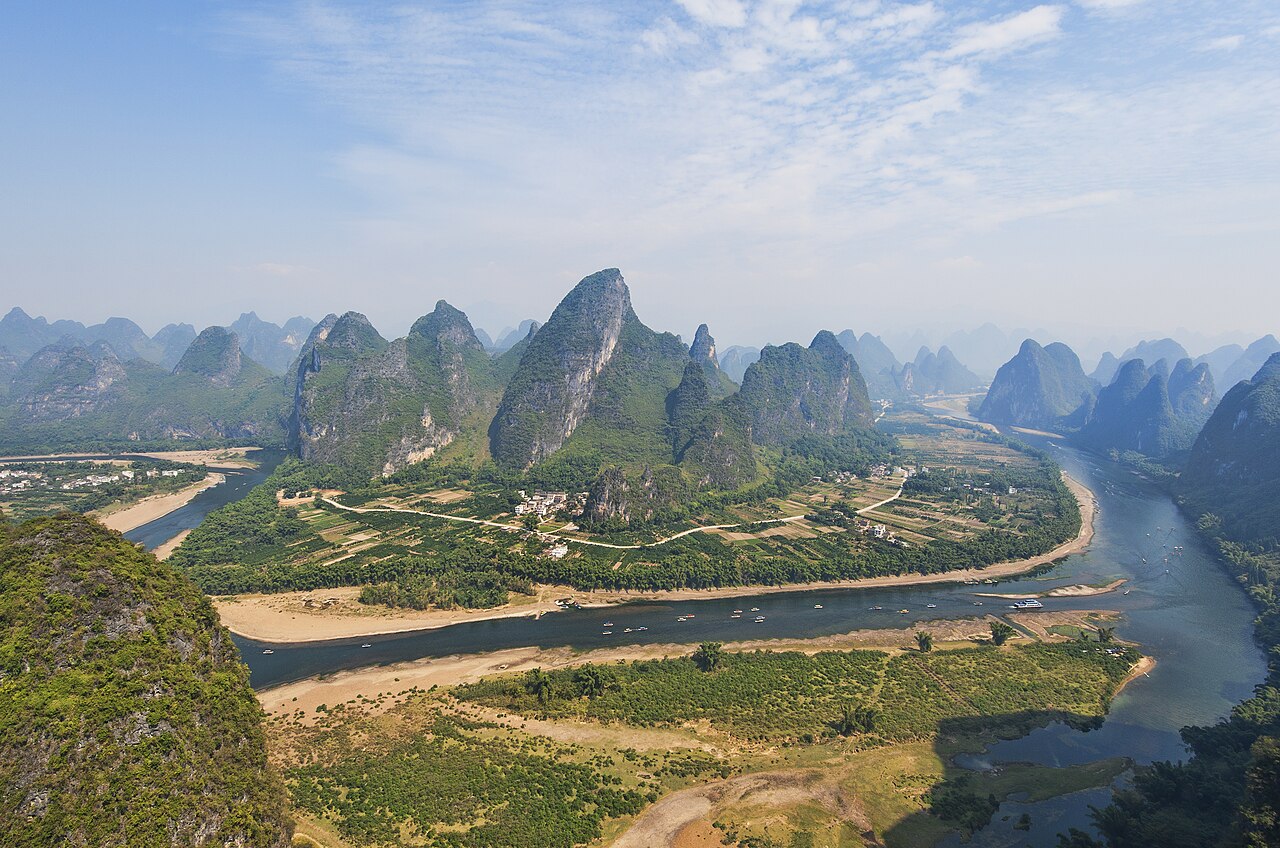
South China Karst is a dispersed serial World Heritage property. UNESCO's English interpretation includes a Guilin component in the Lijiang National Park area, with tower and cone karst. This helps explain the relationship between hills and a river-associated landscape without making every nearby excursion part of the same visitor product. UNESCO: South China Karst
For a river-based plan, establish whether you are booking a cruise, a shorter boat activity, a maintained bank-side visit or another experience. Check the exact starting point, endpoint, duration and transfer arrangement with the operator. Similar place names and attractive photographs can describe different journeys.
Ask how water conditions and weather affect the service and how you will receive a cancellation or route-change notice. Confirm the return to your base, especially if the activity ends somewhere different from where you started. A scenery description cannot supply a sailing schedule.
Stone forests are a different karst visit
The same UNESCO property describes Shilin's pinnacle formations in Yunnan, alongside other karst clusters in different regions. A stone forest and a river framed by hills are related through the broad landform story but are not interchangeable destinations. They require separate geographical and operational research.
If using Kunming as part of your journey, investigate the actual Shilin visitor arrangement and transfer rather than assuming the landscape is in the city centre. Check which section your ticket or tour covers and how much walking the proposed route involves.
Choose a way of observing that fits the site: a view across a formation, a maintained route among features or an interpretation-led visit. Ask about steps, shade, resting places and toilets when those determine your day. Do not infer complete access from a single smooth path in a photograph.
Desert dunes and lakes: Badain Jaran
UNESCO describes Badain Jaran on the Alashan Plateau in northwestern China through its high sand dunes and lakes between them. Its account notes varied desert landforms and habitats. The presence of lakes is a landscape fact, not evidence of drinking-water provision, open camping or unrestricted visitor access. UNESCO: Badain Jaran
A desert plan needs a clearly identified operating arrangement. Ask about the authorised visitor area, the actual meeting point, provider, vehicle or other transport, communications, facilities and return. Verify the arrangements for your dates and group instead of treating a line on a map as a usable independent route.
Confirm what supplies and services the provider actually includes and what happens when conditions change. This guide does not provide off-road navigation, driving instructions or a guarantee that a particular excursion is suitable. Choose a documented visitor experience you can understand before committing.
Turn the scenery choice into a complete itinerary
Write one short plan for the chosen landscape: overnight base, exact visitor entrance or meeting point, booked activity, essential services and return. Keep the operator contact and current instructions offline. Distinguish a request for an arrangement from written confirmation.
Review weather and closure notices close to departure, using the specific destination rather than a distant provincial capital. Ask which operating changes would affect your plan and check the original booking terms. Keep a nearby alternative or a rest day that does not require improvising another remote journey.
Leave enough flexibility around the landscape visit that a change does not automatically break an onward flight or train. The right buffer depends on the actual route and your group. There is no universal transfer time or forecast that guarantees the day.
Finally, choose one question to take with you: how does rock shape the view, how do water and hills relate, or how can lakes sit among dunes? Connect your own observations to the interpretation without claiming to have experienced a condition you did not see. A thoughtful, workable visit matters more than recreating a perfect image.
Places in pictures
Common questions
Does a UNESCO landscape listing mean every part is open to visitors?
No. Check the specific visitor area, operator, permissions and current conditions. A protected property boundary is not a visitor route.
Are Guilin's river scenery and Shilin the same day-trip option?
No. They are distinct places within a much broader, dispersed karst story. Research each location and transfer separately.
Does a desert lake establish a water supply or camping permission?
No. Confirm visitor facilities and permitted activities with the responsible operator or local authority.
Sources & checking notes
- UNESCO: Mount Huangshan
- UNESCO: South China Karst
- UNESCO: Badain Jaran Desert – Towers of Sand and Lakes
Sources checked on 7 November 2026. Workflows, routes and troubleshooting suggestions are editorial guidance. Fees, eligibility, reservations and local services can change; follow the official links before relying on a rule.
Original synthesis of public information and editorial planning advice. We have not performed a live account, payment or on-site test of every workflow. This guide does not claim a firsthand visit or professional accreditation.