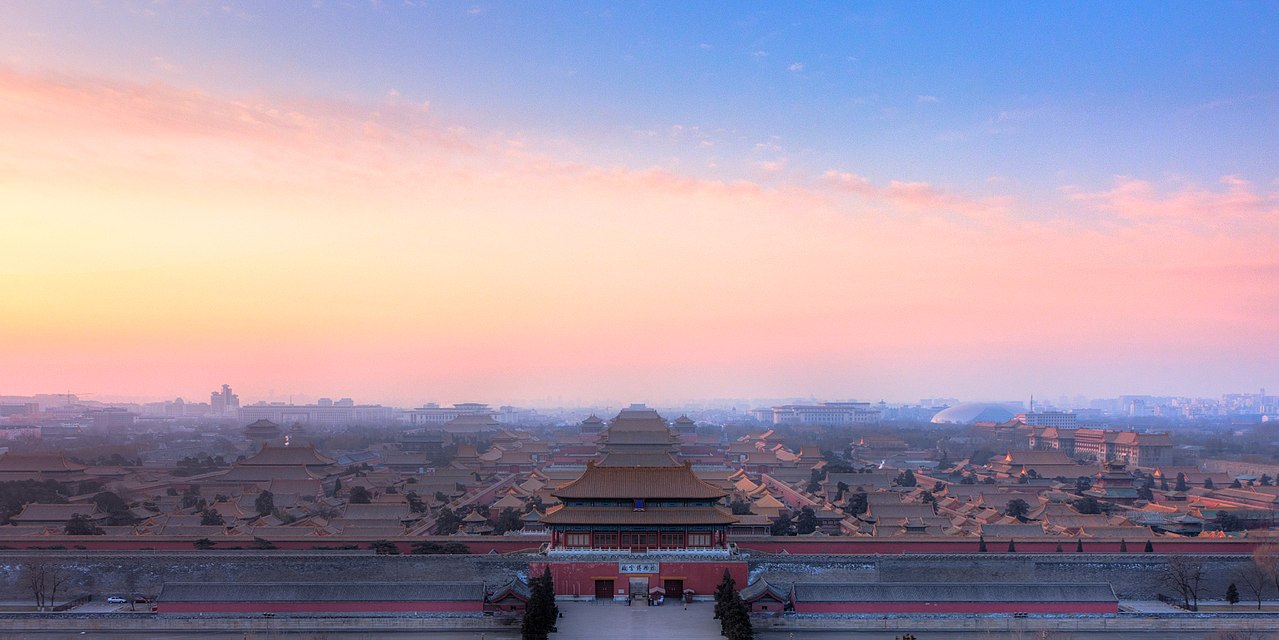
A UNESCO listing is most useful as an explanation of why a place matters and what needs protecting. It can help you choose a theme, ask better questions and notice details you would otherwise miss. It is less useful as a race to collect sites or as a substitute for the operator's current visitor information.
Read the designation precisely
Start with the exact property name on UNESCO's World Heritage Centre website. Its criteria page explains that inscription requires outstanding universal value and at least one of ten selection criteria, alongside important considerations such as protection, management, authenticity and integrity. Read the criteria attached to the actual property rather than assuming all listings recognise the same qualities. UNESCO selection criteria
The World Heritage Convention distinguishes cultural and natural heritage and centres their protection and transmission to future generations. Use that purpose to guide your research. A place may be significant for a relationship between buildings and landscape, a natural process or a historical pattern that is not captured in the most circulated photograph. World Heritage Convention
If an advertisement simply says 'UNESCO heritage', ask which designation and which named place or practice it means. A broad label does not establish that a particular shop, hotel, performance venue or scenic excursion belongs to the World Heritage property.
Choose a question instead of a ranking
Decide what interests you: landscape design, urban planning, a religious tradition, geological processes or the interaction between people and their surroundings. Read one property's short description with that question in mind. You may find that an ordinary-looking element is essential to its significance.
Then ask whether the visit fits your route and the way you like to travel. A destination can be important without being the right addition to a short trip. Do not create a distant transfer simply to add another label when a more focused stay would allow you to understand the places already on your route.
Use the first-trip master guide and the relevant city guide to connect that interest to a base, transport and time for interpretation. The result might be one carefully researched heritage visit alongside neighbourhood exploration rather than a succession of major attractions.
Turn the statement of value into things to notice
Look for the Statement of Outstanding Universal Value and its short synthesis. Reduce it to two or three questions you can investigate on site. What features carry the significance? How do they relate to each other? What part of the story is difficult to understand without a guide or display?
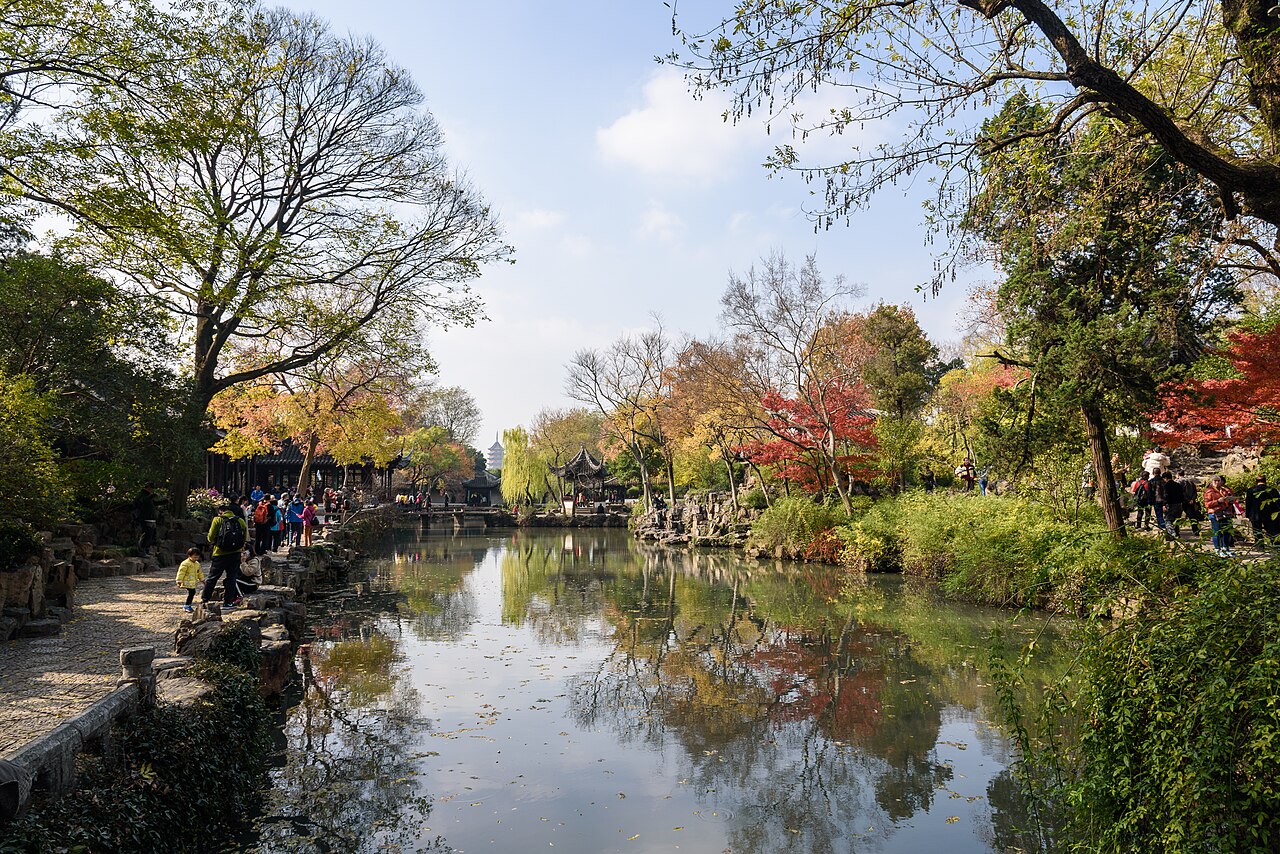
For the Classical Gardens of Suzhou, UNESCO discusses the relationship between designed nature, residences and cultural expression. That suggests looking at paths, rocks, water and buildings together. It is more productive than photographing isolated details while missing the composition. Suzhou property interpretation
Keep the source's interpretation separate from your own impressions. You can describe how a view changes as you move without claiming that every detail symbolises something specific. If a label, guide or publication gives a meaning, record where it came from.
Check whether the property has several components
One World Heritage name can refer to multiple places. UNESCO's Suzhou component table lists nine separate gardens, including the Humble Administrator's Garden, Lingering Garden and Master-of-Nets Garden. They are not one attraction with a single entrance or ticket. UNESCO component map
Use the component names and boundaries to identify what you intend to visit. A map showing the heritage property serves a different purpose from a current visitor map with entrances, accessible routes and facilities. Neither a coordinate nor a protected boundary tells you which gate is operating today.
For a large or dispersed property, choose a component you can reach and understand rather than assuming the entire designation is a manageable day trip. Confirm its relationship to your accommodation and departure point. A nearby town with a similar name is not necessarily the correct base.
Translate research into current access
Find the responsible operator or local authority for the actual component. Check current opening, closures, reservations, document requirements and what the admission includes. A UNESCO entry explains significance and conservation; it does not issue your ticket or confirm the day's transport.
Ask about the route you will use, including steps, gradients, surfaces, toilets and the return journey. A historic building, garden or natural site may offer only partial access. Avoid treating a lift or shuttle symbol on an old map as proof of a complete usable route.
For an outdoor visit, review local forecasts and operating notices close to departure. Leave space to shorten the activity or switch plans. Heritage status is not an assessment of the conditions on your travel day, and a prepaid booking does not override a closure.
Let protection influence how you visit
The Convention's emphasis on conservation provides a useful travel principle: the place should remain meaningful beyond your visit. Follow designated paths, barriers, photography and access instructions. Do not move an object, climb a feature or enter a closed section to recreate an image you have seen online.
Remember that some heritage settings are also places of residence, work or religious activity. Ask before photographing people and leave working entrances and worship areas clear. These are editorial suggestions for a considerate visit, not a claim that every property has the same local rules.
Leave with a small evidence-based record: the exact property and component, one feature connected to its value, and one question to explore further. Note any restoration or access limitation that shaped what you saw. That gives you a more accurate memory than a claim to have 'done' an entire UNESCO site.
Common questions
Does a UNESCO listing guarantee admission or an open visitor route?
No. Confirm current arrangements through the local operator or authority for the component you intend to visit.
Is one listed property always one attraction?
No. A serial property can contain separate components. Check their names, locations and individual visitor arrangements.
Should I try to visit as many listed places as possible?
Use the listings to choose a theme and deepen the route you can realistically travel. A focused visit can be more rewarding than an extra distant transfer.
Sources & checking notes
- UNESCO World Heritage Centre: selection criteria
- UNESCO: World Heritage Convention text
- UNESCO: Classical Gardens of Suzhou interpretation
- UNESCO: Suzhou component table and maps
Sources checked on 7 November 2026. Workflows, routes and troubleshooting suggestions are editorial guidance. Fees, eligibility, reservations and local services can change; follow the official links before relying on a rule.
Original synthesis of public information and editorial planning advice. We have not performed a live account, payment or on-site test of every workflow. This guide does not claim a firsthand visit or professional accreditation.