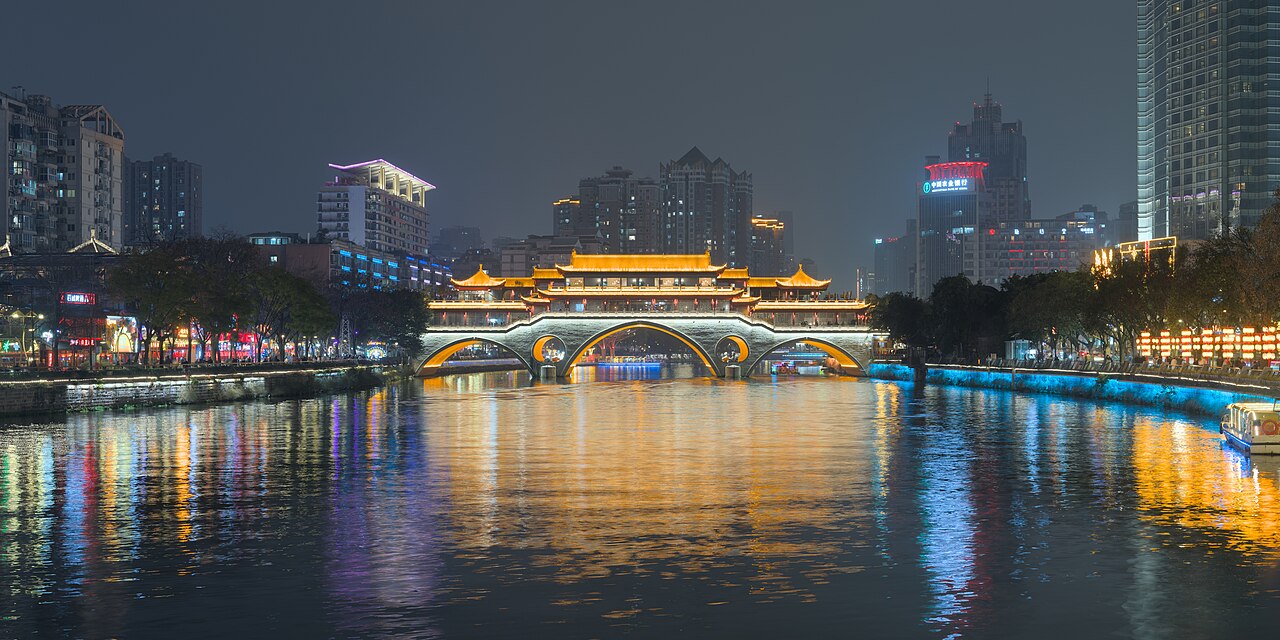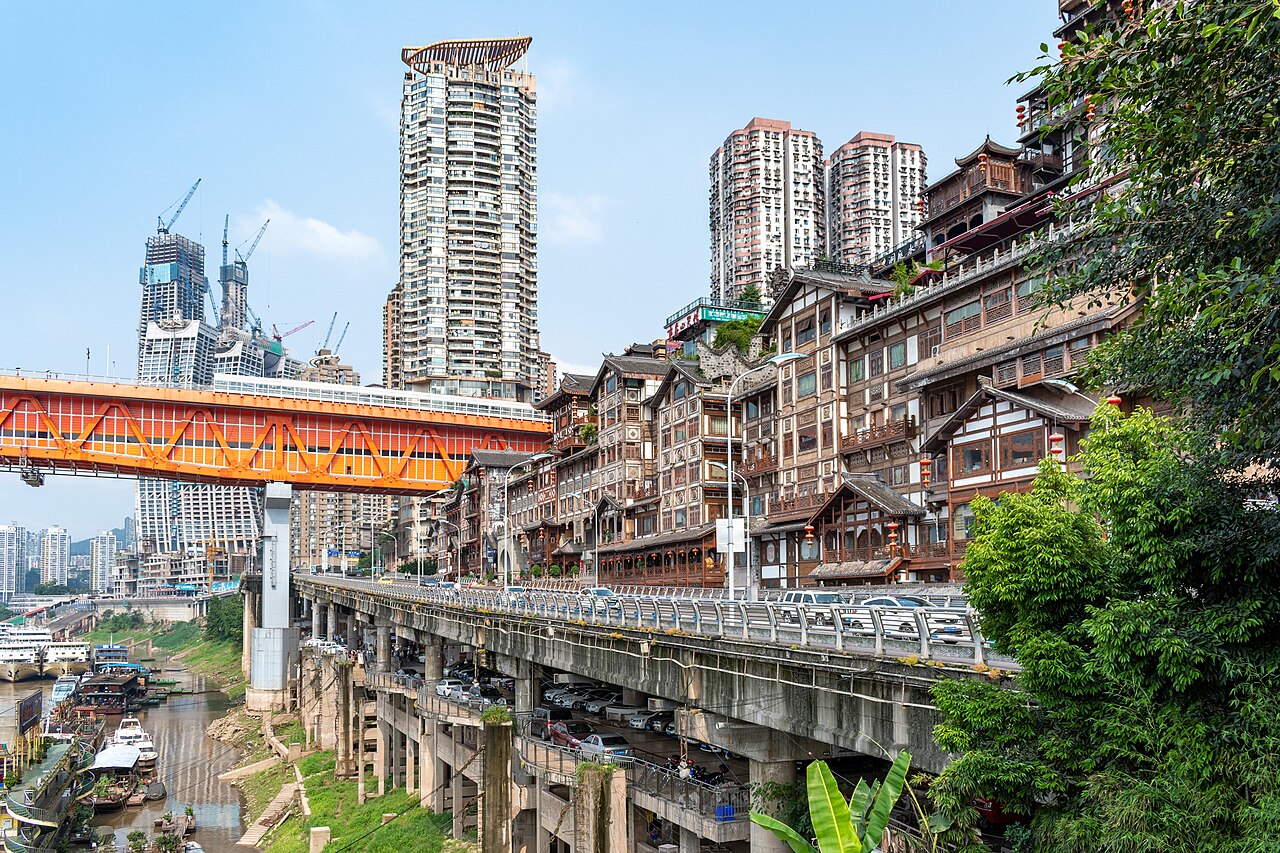
Choose Chengdu if your main priorities are pandas, an unhurried teahouse stop and a city itinerary that can be built around relatively level central blocks. Choose Chongqing if riverfront skylines, layered streets and exploring a city’s changes of level are central to the trip. Neither choice is universal: the hotel entrance, airport transfer and abilities of your companions can matter more than the city’s image. These are editorial recommendations based on official city and operator sources checked on 7 November 2026.
Choose the experience you would regret missing
Write down two priorities before comparing transport. If one is a particular Chengdu panda attraction, that is a stronger reason to choose Chengdu than a general wish to eat Sichuan food, which does not belong to just one city. If the trip revolves around rivers, bridges and an evening cityscape, Chongqing is a stronger starting point.
Both cities support museums, shopping, parks, tea and substantial restaurant exploration. Ask how many of your priorities fit without demanding transfers every day.
Compare actual streets, not the words flat and mountainous
For a lower-climb Chengdu itinerary, compare the central areas around Tianfu Square and People’s Park, or a compact Chunxi Road outing. GoChengdu’s planning feature groups the museum, park and nearby historic lanes as a central accommodation area. That makes a useful planning starting point, not an audited continuous step-free route.
Chongqing’s commerce authority describes Shibati and Mountain City Alley in Yuzhong as linking upper and lower parts of the area near Jiefangbei. Its Danzishi description, on the south side of the rivers, also explicitly describes a route rising through several levels. Those are concrete reasons to inspect slopes, stairs and access when choosing the day’s walk.
A Jiefangbei hotel can be convenient for the peninsula yet have an awkward luggage approach. A room with a river view can sit far above its advertised riverside entrance. Ask for the vehicle drop-off, reception level, lift route and suitable metro exit. A longer road approach may work better than a short stairway shortcut.
Chengdu still has long crossings, large stations, raised entrances and crowded pavements. Chongqing can be visited with carefully selected shorter routes and cars. Travellers using mobility equipment should compare complete hotel-to-venue paths with operators; neither a city label nor a lift symbol proves that a whole day is accessible.
Decide between the panda-and-tea rhythm and river-view evenings
In Chengdu, a panda outing and a separate central tea-and-museum day create a useful contrast. The panda visit needs the correct attraction, reservation and gate; a teahouse can provide a more flexible pause. Do not schedule a distant excursion immediately after the Base just because the city is associated with relaxation.
For Chongqing, give one evening to a chosen riverfront or upper-level view and leave time to reach and leave it. Danzishi and the Yuzhong peninsula offer different perspectives, but changing banks adds a journey. Weather, crowd controls and current operating conditions can change the experience; no lighting or cruise departure is promised here.
Tea is available in Chongqing too. A September 2026 municipal feature describes a Chaotianmen venue combining tea and performances. Use it as evidence of overlapping cultural choices, not a current programme guarantee. Similarly, Chengdu has lively commercial evenings. Choose the outing you want rather than assigning each city an exclusive personality.
Do not decide from a one-city-is-milder rule
Both destinations offer foods with chilli and Sichuan pepper, and both contain a broader range than a photograph of red hotpot suggests. The Commerce Ministry’s Chengdu food records include clear-soup dumplings and wonton preparations. Chongqing’s official food coverage likewise extends beyond hotpot to noodles, braised foods and other local traditions.
The practical difference is the restaurant and dish you select. Ask about chilli, Sichuan pepper, broth and prepared sauce separately. A request for less heat is different from a strict ingredient restriction. A divided pot does not automatically solve either problem, and a pale dish is not proof of a vegetarian preparation.
If food is your main interest, choose the city that suits your preferred meal format and neighbourhood time. Repeated good meals near one hotel can be more rewarding than adding a second city for a single famous bowl.
Price the airport-to-hotel journey, including a late arrival
Chengdu has Tianfu, TFU, and Shuangliu, CTU. A July 2026 airport-group notice published by the city says both handle some Hong Kong, Macao and Taiwan services following route transfers. Check the actual code on your flight rather than assigning an airport from the type of route. Compare each flight with the hotel’s ground connection.
Chongqing’s main city airport is Jiangbei, CKG. The municipality’s November 2025 airport notice describes consolidation into T3 from December 2025. Recheck the current terminal and follow the flight’s instructions; do not use an old airline list as a permanent rule. These published arrangements are context, not a promise about a future booking.
For either city, include immigration where applicable, baggage, the last useful public-transport connection and the final walk. Compare a signed taxi queue or a correctly pinned app pickup when bags, children or a late arrival make transfers difficult. In Chongqing especially, obtain the hotel’s usable road-level entrance before you set a car destination.
A slightly cheaper flight can become less attractive when it requires an inconvenient arrival night, an additional hotel move or a difficult early departure. Compare total trip cost and usable time rather than quoting one universal airport-transfer duration.
Let companions and weather shape the choice
With young children, consider rest breaks, toilets, stroller handling and whether the panda outing genuinely interests the family. With someone who avoids stairs, compare the actual hotel and attraction routes before booking Chongqing’s hill-linked neighbourhoods. Chengdu’s central park day may be simpler to shorten, while its large panda site still requires a manageable circuit.
For travellers who enjoy urban photography and walking, Chongqing’s changing elevations can be part of the attraction rather than an obstacle. Keep the day flexible enough to stop when paving is wet, heat builds or crowds make a path uncomfortable. Choose an indoor alternative before the weather forces the decision.
Neither city should be selected on a promise of clear skies, a visible animal or an empty viewpoint. A museum, meal and comfortable hotel can support either visit when the signature outdoor plan changes.
Count full days before adding the second city
If you have only a couple of full sightseeing days after arrival and before departure, choosing one city is usually the more comfortable editorial recommendation. Chengdu suits a panda day plus a central cultural day; Chongqing suits a peninsula-and-river day plus a museum or another selected neighbourhood.
To combine them, first name a substantial reason for the second stop. Then count packing, checkout, station transfer, waiting, the train, arrival transfer and another check-in. The train ride is only one part of that move. Add the cost of transport at both ends and the disruption to a rest or meal period.
Use the separate Chengdu–Chongqing route guide to compare the actual stations and issued ticket. Do not add a return journey merely to depart from the original city without checking whether an open-jaw flight arrangement is workable. If the second stop leaves only a rushed evening and an early checkout, spend longer in the first city instead.
Make the final choice with one workable day in each city
Sketch one realistic day for each city, beginning at a specific hotel area. Include one essential experience, a rest and an indoor fallback. Choose the version you and your companions want to do.
Use the city masterguide to confirm accommodation, transport and attraction arrangements. Choose a plan that remains enjoyable after a queue, a change in weather or a long transfer.
Common questions
Which city is easier if I dislike stairs?
A carefully chosen central Chengdu stay is often the simpler starting point for a lower-climb itinerary. Check the complete route in either city; no citywide accessibility guarantee is made.
Can I visit both on a short stay?
Yes, if the second city has a clear purpose and you have enough usable time after both hotel-to-station transfers. With only a couple of full sightseeing days, one city usually gives a more comfortable visit.
Is Chengdu food mild while Chongqing food is always hot?
That is not a reliable rule. Both cities have varied menus, and preparation matters more than the city name. Ask about the actual chilli, Sichuan pepper, stock and sauces.
Sources & checking notes
- GoChengdu — central accommodation areas and city-trip planning
- Chongqing Municipal Commission of Commerce — Shibati and Mountain City Alley, August 2026
- Chongqing municipal government — Danzishi Old Street’s changing levels and river setting, August 2026
- Sichuan Province Airport Group / GoChengdu — CTU and TFU regional route changes, July 2026
- Chongqing municipal government / Jiangbei Airport — T3 consolidation notice, November 2025
- Chongqing municipal government — tea and performance venue at Chaotianmen, September 2026
- Ministry of Commerce Digital Museum — Zhong clear-soup and red-oil dumplings
- Chongqing municipal government — food traditions beyond hotpot, September 2026
Sources checked on 7 November 2026. Workflows, routes and troubleshooting suggestions are editorial guidance. Fees, eligibility, reservations and local services can change; follow the official links before relying on a rule.
Original synthesis of public information and editorial planning advice. We have not performed a live account, payment or on-site test of every workflow. This guide does not claim a firsthand visit or professional accreditation.