A roast-duck reservation can be a fine evening, but it should not carry the whole burden of explaining Beijing food. Leave room for an ordinary bowl of noodles, a shared mutton meal and a small breakfast experiment. The most useful question is which kind of meal fits your day: something quick before a museum, a seated lunch after walking, or an evening around a pot. This guide offers an original way to make those choices without treating one recipe or one historic restaurant as the city’s only authentic version.
Choose a meal format before choosing a famous name
Start with your timetable and appetite. A noodle shop can suit a shorter break; shaomai can become a light meal or part of a larger order; hotpot asks for more time and shared decisions. A historic brand may operate several branches with different menus, room layouts and booking arrangements. Save the exact Chinese branch name and address rather than a photograph of the brand logo.
Avoid arranging a morning of continuous snacks followed by a large restaurant booking simply to complete a list. Pick one substantial meal and one modest tasting opportunity. Leave another meal flexible near the day’s actual sightseeing area. This approach also lets a travelling companion decline an unfamiliar ingredient without losing the entire lunch.
Use zhajiangmian as a manageable first order
The municipal Beijing Cuisine introduction describes zhajiangmian as wheat noodles with fried bean sauce and vegetables, also found beyond Beijing. Expect variation rather than a single compulsory arrangement. Ask whether the sauce contains meat, whether vegetables arrive separately and whether the portion is intended for one person. A photograph of dark sauce tells you little about its ingredients.
Mix gradually if the sauce is served alongside the noodles. You can add more after tasting instead of emptying every condiment at once. For a party with different appetites, order individual bowls and agree whether a side dish is shared. Do not assume that an English label such as soybean noodles means a vegetarian meal; establish the actual sauce and cooking fat.
Try mutton hotpot for a slower shared meal
Beijing-style mutton hotpot is a different ordering experience from choosing a heavily seasoned Sichuan pot. The city’s introduction highlights mutton, a water-based cooking liquid, vegetables and sesame-paste accompaniment. That description is a starting point, not an ingredient declaration for every restaurant or broth.
Ask how many diners a meat plate serves, what the pot or fuel charge includes, and whether dipping sauces are priced separately. Add vegetables and another plate when needed rather than ordering the entire pictured set immediately. Ask staff about cooking each ingredient; no universal cooking time is provided here. If someone avoids sesame, meat stock or a particular ingredient, discuss broth and sauce separately before the pot arrives.
A quieter lunch can be easier for conversation than a busy evening booking. Confirm whether the restaurant has an individual-pot option if your group needs separate arrangements. Separate pots still require ingredient and preparation checks; they do not by themselves establish an allergy-safe meal.
Make room for shaomai and the city’s different restaurant traditions
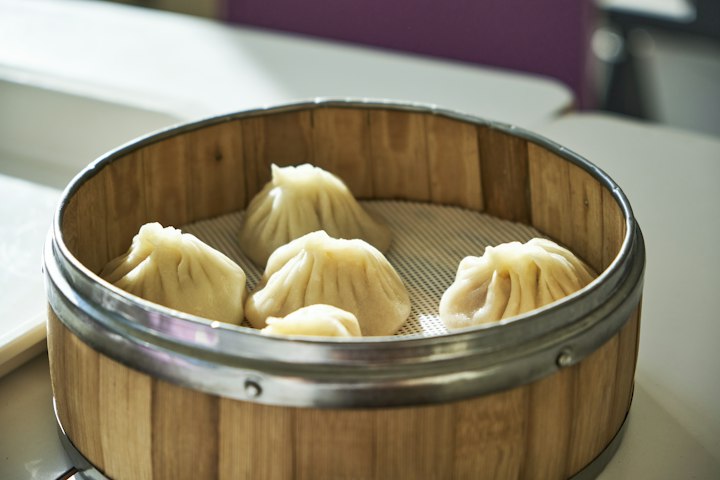
Beijing’s official Dongcheng brand directory identifies Duyichu with shaomai and also describes a broader menu. Use the Chinese name 烧麦, shāomài, when checking a menu. Ask about the filling and the number of pieces in the smallest order rather than assuming all shaomai resemble a version you have eaten elsewhere.
The same district directory includes brands associated with Shandong cooking and a restaurant known for roast mutton. This is a useful reminder that eating in the capital involves intersecting regional and community traditions. A meal does not become less relevant because it contains a dish whose story extends outside Beijing.
For a mixed group, compare a specialist snack stop with a full restaurant. The latter may offer more alternatives, but verify them with the actual branch. A brand’s historical association with halal cooking is not a current certification of every location or product; ask the business about the standard you require.
Treat douzhi as a small experiment, not an endurance test
Douzhi, 豆汁, dòuzhī, is a fermented mung-bean drink with a sour character. The city’s food introduction pairs it with pickled vegetables and jiaoquan, 焦圈, jiāoquān, fried dough rings. It is different from ordinary soy milk, 豆浆, dòujiāng. Checking those two written names prevents a common ordering mix-up.
Order a small serving if available and take your time. There is no obligation to finish a disliked flavour to prove that you have experienced local life. A travelling companion can choose a more familiar breakfast while you taste yours. Let staff describe the current accompaniments and request utensils you are comfortable using.
Chaogan, 炒肝, chǎogān, is another local name worth recognising, especially if you avoid offal. The official introduction describes a pork-liver preparation; ask about the complete contents. A literal translation that focuses only on liver can omit other components.
Build one compact food outing around Qianmen and Dashilar
The tourism bureau’s June 2026 street feature places Qianmen, Dashilar and the adjoining Beijing Fun area in the same broader visitor district, with historic brands, food businesses and newer cafés. This makes the area a practical place to compare several meal styles without crossing the city for each taste.
Choose one restaurant as the anchor, then inspect a small additional snack or tea stop nearby. Check the present entrance and opening information before setting off; a government feature is not a live table or menu guarantee. Allow time between a booked cultural visit and a restaurant reservation rather than promising both at the same minute.
Walk beyond the first photogenic display when deciding what to eat. Read prices, observe whether the business offers a seat or takeaway, and ask about the minimum quantity. A famous street contains both everyday meals and visitor-oriented purchases; choose the product you want rather than treating every purchase as equally representative.
Use a short ordering conversation
Point to the written dish name and ask 这个里面有什么? Zhège lǐmiàn yǒu shénme? — What is in this? Follow with a specific question rather than a vague request for a normal version. 一份有几个? Yí fèn yǒu jǐ ge? asks how many pieces an order contains. 酱可以另外放吗? Jiàng kěyǐ lìngwài fàng ma? asks whether sauce can be served separately.
Check the final order, including tea, side dishes and packaging, before payment. For allergies or religious requirements, use a carefully prepared written explanation and allow the kitchen to decline if it cannot verify ingredients or preparation. Finish the day with a meal you enjoyed, not a tally of how many famous foods you managed to consume.
Common questions
Do I need to book every famous Beijing restaurant?
No. Book the specific meal that matters to you, particularly for a group or a busy period, and keep other meals flexible. Reservation arrangements depend on the branch.
Is Beijing food generally free of chilli?
No citywide guarantee is useful. Ask about the specific dish, sauce and condiments, and distinguish a flavour preference from an allergy or other strict requirement.
Can I combine all these foods in one meal?
You could order several together, but breakfast items, a noodle lunch and a shared hotpot suit different occasions. Spread them across your visit so appetite and time remain manageable.
Sources & checking notes
- Beijing municipal government — Beijing Cuisine: noodles, mutton hotpot, douzhi and chaogan
- Beijing municipal government — Dongcheng time-honoured restaurant directory, September 2024
- Beijing Municipal Bureau of Culture and Tourism — Qianmen and neighbouring streets, June 2026
Sources checked on 7 November 2026. Workflows, routes and troubleshooting suggestions are editorial guidance. Fees, eligibility, reservations and local services can change; follow the official links before relying on a rule.
Original synthesis of public information and editorial planning advice. We have not performed a live account, payment or on-site test of every workflow. This guide does not claim a firsthand visit or professional accreditation.