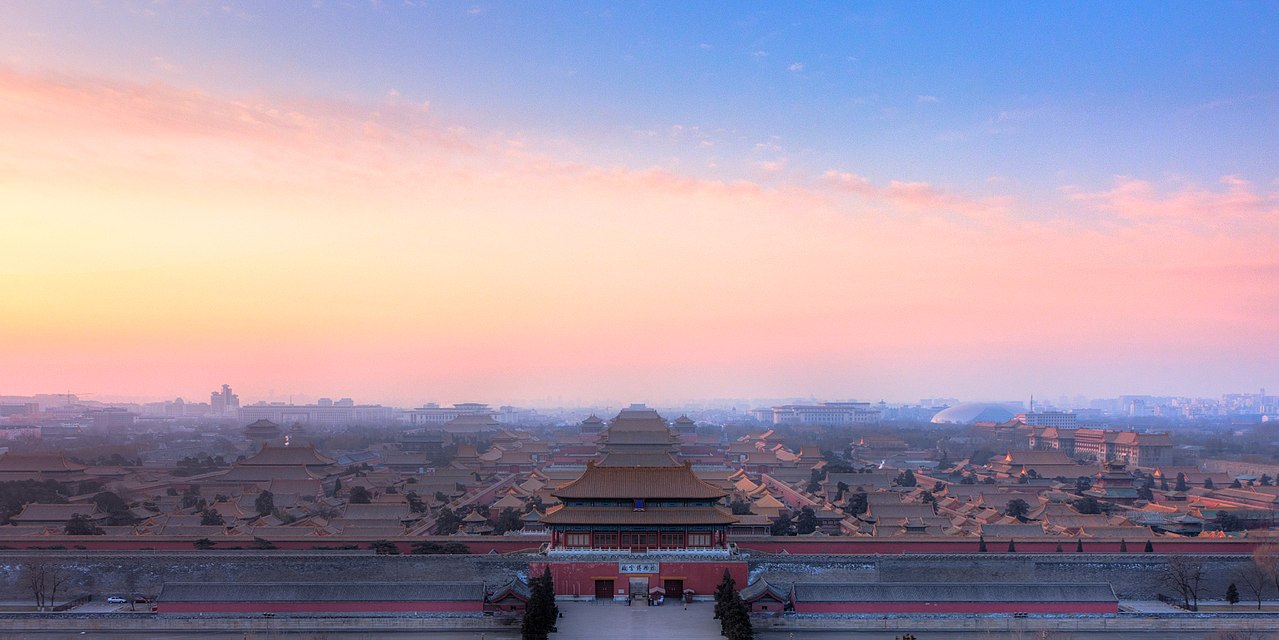

Beijing rewards a plan built around geography and reservations. Give the imperial centre one day, the Great Wall another, and leave your third for temple architecture and neighbourhood life. This is an editorial itinerary assembled from public visitor information, rather than a report of a personal trip. Swap the order to match museum opening days and your confirmed tickets.
Book the fixed points first
Start with the Palace Museum, also known as the Forbidden City. Its official visitor page says it normally closes on Mondays, with national-holiday exceptions, and does not sell same-day tickets. Secure a reservation before building your day around it, and bring the passport used in the booking. Recheck the museum's current notices: a saved travel article cannot guarantee that an individual hall will be open.
For accommodation, prioritise a manageable walk to a metro station over a room advertised as central. Beijing's distances are substantial. Keep a Chinese-language hotel address on your phone and on paper, and save each attraction's exact name. Make arrival evening a simple dinner and orientation walk; treating a long-haul arrival as a full sightseeing day usually creates an unnecessarily tiring start.
Day 1: The Forbidden City, Jingshan and the hutongs
Use your reserved Palace Museum slot as the day's anchor. Follow the central courtyards before deciding whether you have energy for side galleries. A short list of buildings that interest you is more useful than trying to photograph every roof. Carry water, comfortable shoes and a charged phone, and allow time for security and the approach to the entrance. Tiananmen Square has its own access arrangements; do not assume a museum ticket settles those separately managed requirements.
After leaving the palace area, have lunch and consider Jingshan Park to its north. The hill gives context to the long palace axis, but the climb is optional. If stairs or the weather make it unsuitable, spend that time at ground level instead. Continue towards the Shichahai and Drum Tower neighbourhoods for a gentler afternoon. Choose a few lanes rather than marching through a long checklist of hutongs.
These lanes are residential as well as photogenic. Keep doorways clear, ask before taking close photographs of people, and avoid entering courtyards unless access is clearly offered. For dinner, reserve roast duck if it matters to you; otherwise choose a nearby restaurant and leave the evening open. A substantial museum visit followed by an unhurried walk is already a full day.
Day 2: Give Mutianyu the whole day
Mutianyu is a practical editorial choice for a first Great Wall visit because it combines a managed scenic area with mountain scenery. Check the operator's current entry and transport information, then choose either an organised transfer or a clearly arranged return journey. Confirm the actual pickup point, return time and what the quoted price includes. A low headline price may leave local shuttles or uphill transport as separate purchases.
On the wall, choose a route that matches the least confident walker in your group. Restored sections still involve steep and uneven steps. Wear shoes with grip and carry layers; a comfortable city temperature does not guarantee comfortable wind conditions on an exposed ridge. Lifts and other facilities may be affected by weather or operational changes. Stay on permitted routes and turn back with enough time for the descent and return transfer.
Avoid promising yourself an ambitious dinner or another major attraction afterwards. The return journey is part of the day. If the operator announces a closure or weather looks unsuitable, swap this day with your city day rather than substituting an unregulated section of wall.
Day 3: Temple of Heaven and a slower finish
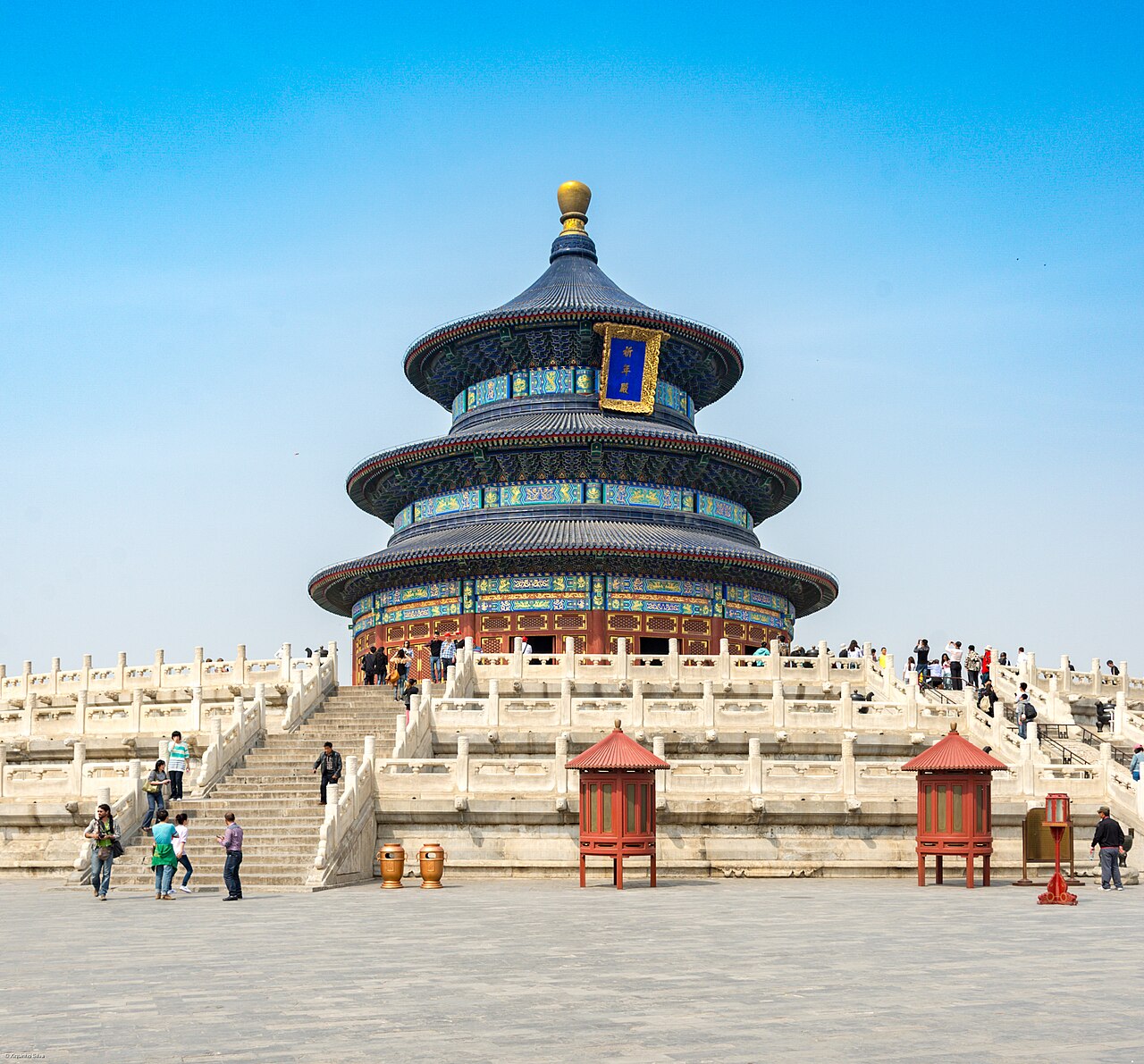
Visit the Temple of Heaven for a different view of imperial life: ritual space rather than a residential palace. Pay attention to the distinction between access to the surrounding park and access to the historic architectural areas. The city's September 2026 notice confirms that the principal architectural complexes resumed their usual Monday closures, except statutory holidays. A park being open does not mean every landmark inside is accessible.
Keep the afternoon flexible. Choose Qianmen for a central commercial-street walk, a museum that suits your interests, or a longer meal and neighbourhood stop. Do not add the Summer Palace solely to complete a list: it deserves substantial time and a separate journey. If you prefer gardens to hutongs, substitute it for a city afternoon instead.
- Rainy or low-visibility day: favour an indoor museum and keep the Great Wall day movable.
- Limited mobility: ask venues about current accessible routes; ancient stairs and long approaches can be the main constraint.
- Departure day: leave a separate buffer for collecting luggage and reaching the correct airport or railway station.
Places in pictures

Common questions
Is three days enough for Beijing?
Three full sightseeing days cover a focused first visit including one Great Wall day. Four or five days allow more museums, gardens and recovery time. Arrival and departure days should be counted separately when possible.
Should I visit the Forbidden City on a Monday?
The Palace Museum normally closes on Mondays except national holidays. Check its own notices for your date and rearrange the itinerary around a confirmed reservation.
Can I combine the Great Wall and the Summer Palace?
It is possible with carefully arranged transport, but this guide recommends separate days so that traffic, walking pace and weather do not turn the visit into a rush.
Sources & checking notes
- Palace Museum — official visit information
- Mutianyu Great Wall — official visitor notice
- Beijing Government — Temple of Heaven visitor guide
- Beijing Government — September 2026 Monday closure notice
Sources checked on 6 November 2026. Workflows, routes and troubleshooting suggestions are editorial guidance. Fees, eligibility, reservations and local services can change; follow the official links before relying on a rule.
Original synthesis of public information and editorial planning advice. We have not performed a live account, payment or on-site test of every workflow. This guide does not claim a firsthand visit or professional accreditation.