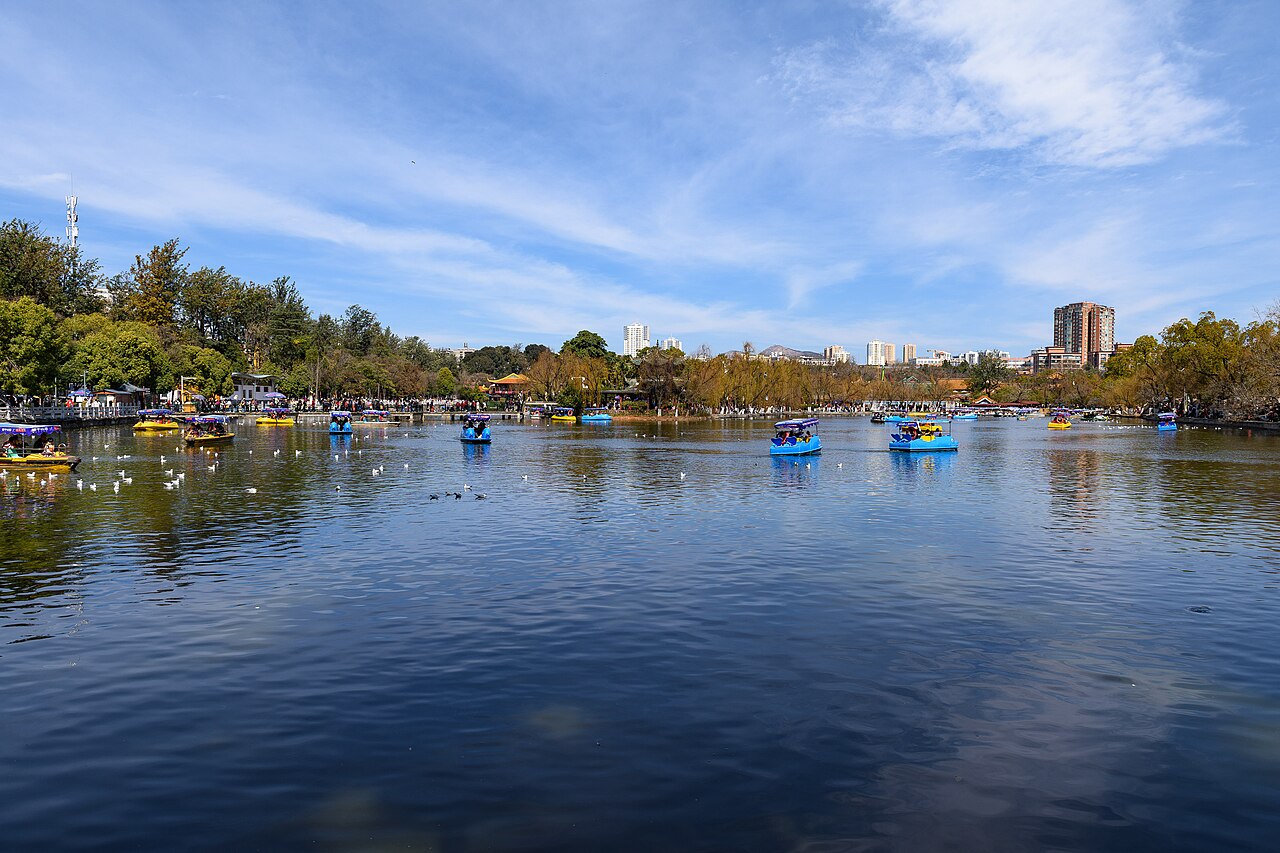

Yunnan is a province with different landscapes, climates, communities and travel demands, not one compact destination. An attractive map can conceal long hotel transfers, changes in altitude and excursions far beyond a town center. This overview helps you choose a regional focus. Suggested pacing is editorial advice; geographic distinctions, selected operator guidance and health information were checked on 7 November 2026. Actual trains, flights, access and attraction arrangements still require date-specific confirmation.
Understand what each destination name covers
Dali City (大理市) lies within Dali Bai Autonomous Prefecture (大理白族自治州). A hotel advertised under the prefecture can be outside the city or far from Dali Old Town. Even within Dali City, an old-town stay, lakeside village and transport-oriented urban stay offer different access. Save the complete Chinese address and locate the reachable entrance before deciding that two hotels are nearby.
Lijiang (丽江) is also a wider administrative destination. Dayan Old Town, Shuhe and Baisha are distinct places within the heritage landscape, while places such as Lugu Lake require their own transport planning. Xishuangbanna is a prefecture including Jinghong, Menghai and Mengla; its name does not mean every attraction is in central Jinghong. These distinctions matter when comparing a room, pickup point or tour description.
Kunming: use the gateway as a real first stop
Kunming (昆明) can provide an urban introduction with neighborhood meals, a park or a museum before another regional journey. It is useful for travelers who prefer to settle phone, payment and luggage arrangements before changing hotels again. An arrival day should remain light rather than becoming a compulsory distant excursion.
Check whether the booked train uses Kunming Station (昆明站) or Kunming South (昆明南站), and match the station to your actual hotel. A flight landing in Kunming is not a connection to every train advertised as leaving 'Kunming'. Include airport formalities, the cross-city transfer and railway check-in in the decision. A separate overnight can be more useful than a stressful same-day connection.
Dali City: choose the old town, lake or transport convenience
Choose Dali for a stay organized around the old town, selected Erhai lakeside places and the Cangshan setting. Pick a manageable part of that landscape each day. A complete lake circuit should not become a compulsory task, especially when you want time for meals, a village walk or changing weather. The city's official geography confirms a substantial area around mountain and lake terrain, rather than a single walkable resort.
An old-town guesthouse may suit evening walks but need a final luggage carry. A lakeside property may be quieter yet require more transport for stations and meals. A hotel chosen for transport convenience can be useful for a brief stop, but may not provide the evening atmosphere you imagined. Verify vehicle access and any corridor restrictions locally; do not treat an old enforcement campaign or a rental seller's assurance as today's universal cycling or electric-vehicle permission.
Lijiang: distinguish the heritage stay from mountain excursions
UNESCO describes the old-town heritage property through Dayan, Baisha and Shuhe, with an interconnected history of settlement, water and local cultures. Choose a base according to which part you want to experience, its evening noise and the actual luggage route. Do not assume every old-town room has car access, level paving or an elevator.
For altitude orientation, UNESCO places the Lijiang plain at about 2,400 meters. That describes the town setting, not the height of a mountain excursion or every accommodation. A Yulong Snow Mountain visit involves a separate booking, transport, weather and altitude decision. It should not be treated as an automatic add-on simply because you have reached Lijiang. Keep a town-based alternative if an excursion is unsuitable or unavailable.
Shangri-La: make altitude part of the choice
Shangri-La (香格里拉) is a high-altitude extension with its own cultural and landscape interests. A Yunnan provincial official account from April 2025 places the Red Army Long March Museum at 3,300 meters. This is a specific location reference, not a measurement of every hotel; it illustrates that even an urban cultural visit can involve considerable altitude.
Check the sleeping altitude and highest planned outing, and seek personalized advice from a clinician familiar with altitude before committing when appropriate. The CDC's 2026 Yellow Book emphasizes acclimatization and notes that physical fitness does not remove susceptibility. Do not continue ascending when symptoms develop; seek medical help for concerning symptoms and urgent help for severe illness. This guide does not prescribe medication or promise that one night's stop makes a rapid ascent safe.
The Lijiang–Shangri-La railway creates a possible regional connection, but does not settle readiness for altitude or the transfer from the station to lodging. Query the actual departure and station names in 12306. Add this region because you have sufficient time and a suitable plan, rather than to complete a provincial checklist.
Xishuangbanna: choose a southern tropical trip
Xishuangbanna (西双版纳) offers a different southern direction, with tropical plants, regional food and Dai cultural settings. A Jinghong base and a stay near a particular attraction solve different problems. The Chinese Academy of Sciences botanical garden is in Menglun, Mengla County, outside central Jinghong; its operator's location guide makes clear that reaching the region and reaching the garden are separate journeys.
Use the botanical garden's official visitor service for current admission and access. Its older transport page is useful for the destination's location and general wet/dry-season context, but this article does not adopt its historical bus fares or taxi estimates as current prices. Check your actual forecast, plan shade and rain protection, and ask about the suitable route if walking distance or a stroller is a concern. Treat gardens and cultural sites as places with their own visitor rules.
Build a route with one clear direction
For a seven-day introduction, choose Kunming and Dali City: arrive on day one, keep day two in Kunming, travel on day three, give days four and five to Dali, and use day six for the departure-gateway arrangement before leaving on day seven. Confirm whether that gateway requires a return journey. Alternatively, replace the western stay with a Jinghong/Menglun-focused southern plan. Do not add both directions to preserve the same short duration.
With more time, Kunming–Dali–Lijiang can support separate stays rather than repeated day returns. Shangri-La needs additional time and its own altitude decision; Xishuangbanna is an alternative regional focus rather than the obligatory next stop. Compare actual onward transport, hotel nights and recovery time, then remove the least important base if the calendar becomes mostly moving days.
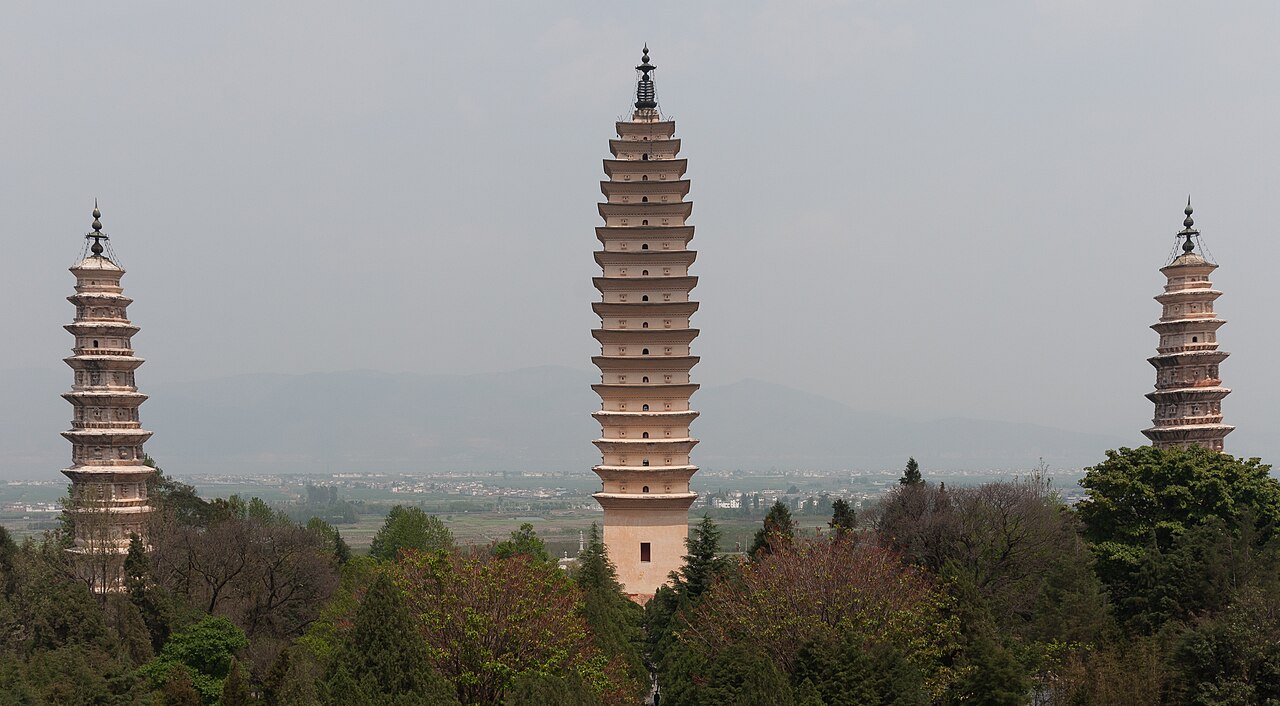
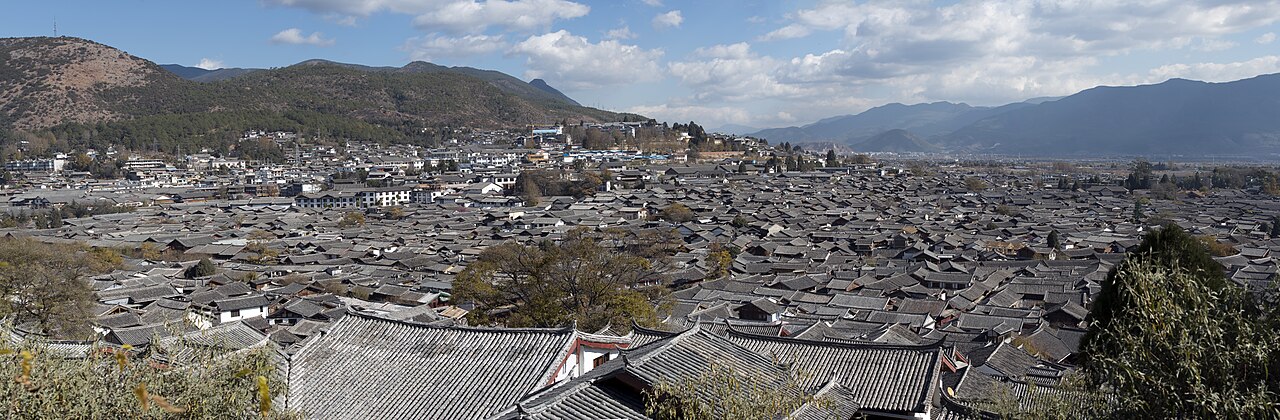
Places in pictures


Common questions
Can I see all five regions in a week?
A transport chain is not the same as a useful visit. This guide recommends one direction with a small number of bases for a short trip. More regions require more moving days and, for Shangri-La, an additional altitude decision.
Is Dali Old Town the same as Dali Prefecture?
No. Check Dali City, the specific town or neighborhood and the full hotel address. A broad prefecture search can return accommodation far from the old town or your intended transport.
Does taking a train make Shangri-La altitude risk disappear?
No. Transport convenience and acclimatization are different matters. Check your sleeping altitude and ascent plan with appropriate medical advice, and retain an alternative that avoids a high-altitude extension.
Can I use this overview as a current timetable?
No. Use 12306 and the relevant airport, operator and attraction notices for your date. The overview chooses regions; it does not promise train inventory, flight services, prices or attraction access.
Sources & checking notes
- Yunnan Civil Affairs Department — current administrative divisions; August 2026 table body read
- Dali City Government — location and geographic extent
- UNESCO World Heritage Centre — Old Town of Lijiang components and plain elevation
- Yunnan Veterans Affairs Department — April 2025 Shangri-La location and altitude context
- CDC Yellow Book 2026 — high-altitude travel and altitude illness
- CAS Xishuangbanna Tropical Botanical Garden — operator location guide; historical fares excluded
- Yunnan Transport Department / China Railway Kunming — August 2026 Lijiang–Shangri-La railway context
- China Railway 12306 — actual station, date and journey search
Sources checked on 7 November 2026. Workflows, routes and troubleshooting suggestions are editorial guidance. Fees, eligibility, reservations and local services can change; follow the official links before relying on a rule.
Original synthesis of public information and editorial planning advice. We have not performed a live account, payment or on-site test of every workflow. This guide does not claim a firsthand visit or professional accreditation.