Shanghai is easier to enjoy when each day has a clear centre. Spend the first between the old city and the Huangpu river. On the second, choose either art and collections in Pudong or a street-focused walk west of the centre. These are editorial route suggestions based on public attraction information; they leave room for a meal, a missed turn and the weather.
Understand the two riverbanks
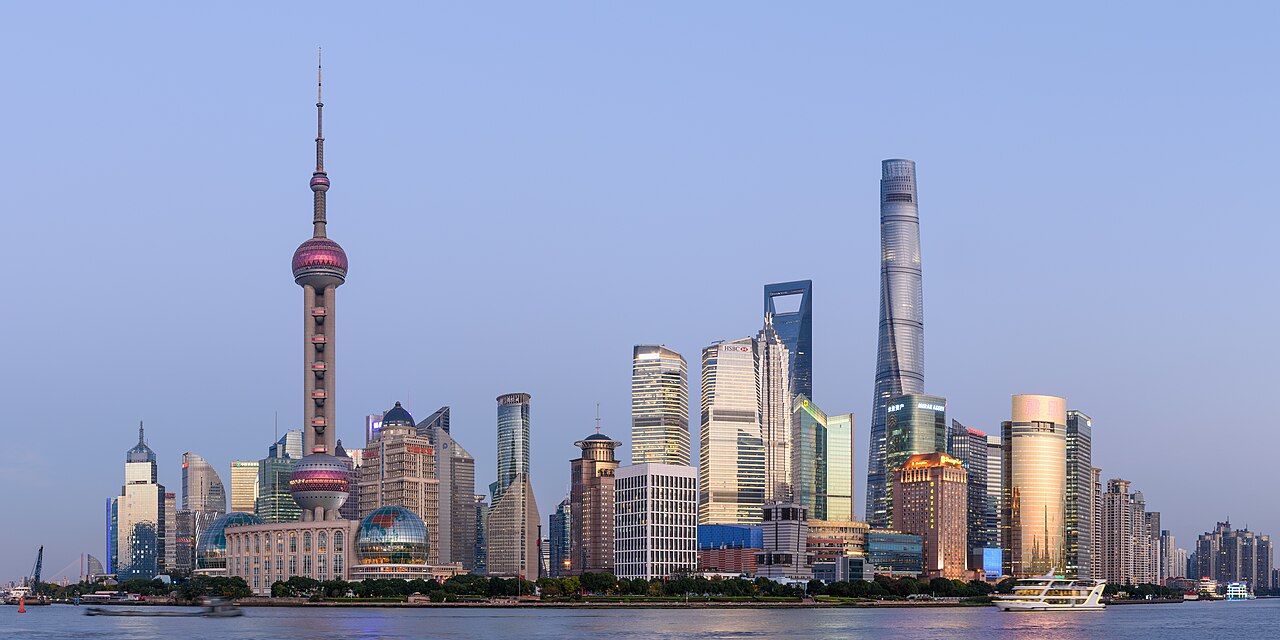
The Bund is on the Puxi side of the Huangpu, facing the towers of Lujiazui in Pudong. They look close in photographs, but crossing the river adds a transport step. Group nearby places rather than repeatedly switching banks. A hotel near a useful metro station can be more convenient than one with a distant skyline view; compare the journey to your arrival terminal as well as the attractions.
Save Chinese place names before setting out: the Bund is 外滩, Yu Garden is 豫园, and Wukang Road is 武康路. Check which Shanghai Museum branch you mean. The East building and the People's Square building have distinct exhibitions and entry arrangements, and a reservation for one should never be assumed to cover the other.
Day 1, morning: Yu Garden and the old city
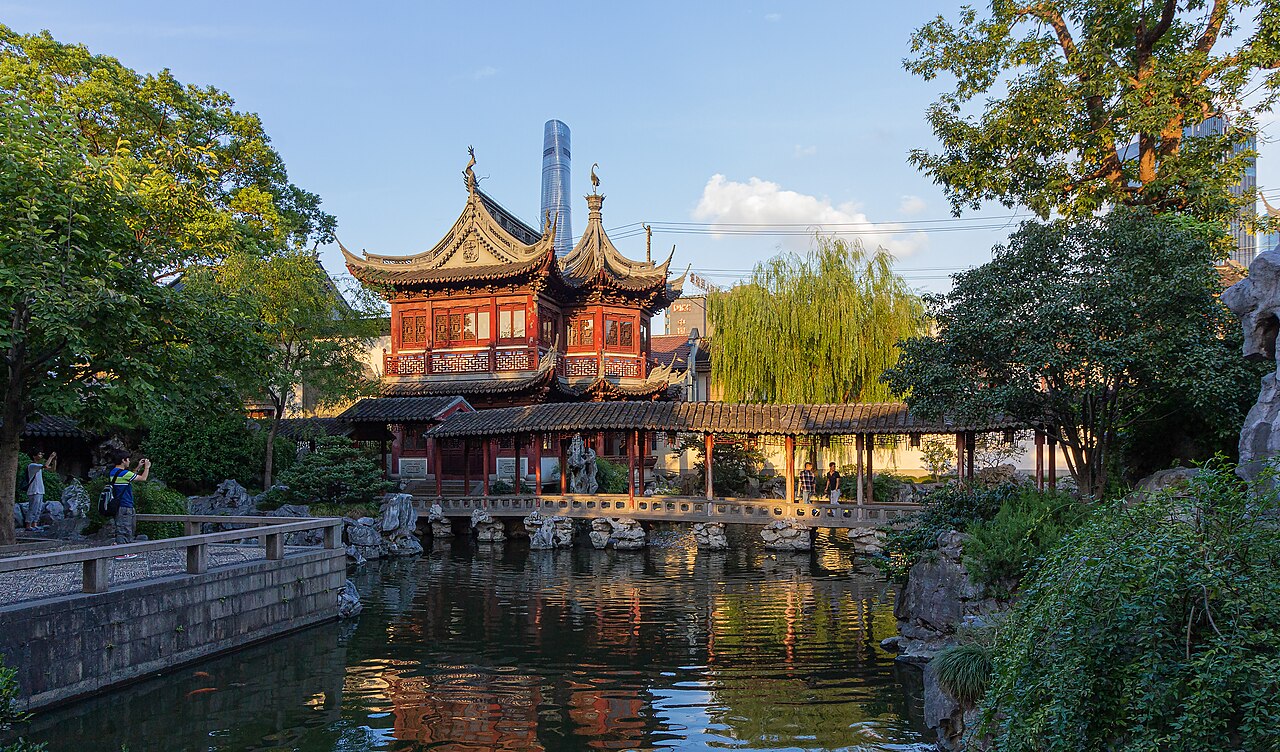
Start with the classical garden itself if its courtyards, rockwork and framed views interest you. The surrounding shopping area is a separate experience; walking through the bazaar does not mean you have visited the ticketed garden. The municipal government's visitor material identifies Yu Garden as a Ming-period Jiangnan garden. Use that context to look at how a small space directs movement and reveals scenes gradually, rather than treating it as a quick photo stop.
For lunch, choose a meal near the old city and order a few dishes you can share. Dumpling queues can become attractions in their own right. Decide whether a particular restaurant matters to you, and move on if the wait would consume your afternoon. Never assume a dish is vegetarian because its English name mentions only vegetables; confirm broth, fillings and garnishes if relevant.
An evening garden event may have separate tickets and a specific entry slot. Shanghai's official information describes night-tour arrangements, but an older event announcement does not confirm today's schedule. Check the current operator notice before paying or returning after dark. The illuminated shopping streets and the garden's own programme should be planned separately.
Day 1, afternoon and evening: The Bund
Continue to the Bund and give yourself time to look in both directions: towards the river and towards the street-facing buildings. Follow a section of the waterfront at your own pace, then step inland for a break. This is a good afternoon for architectural observation rather than a second major ticketed attraction. If you want a skyline at dusk, keep dinner nearby so you can return without another cross-city trip.
A river cruise is optional. Compare the actual pier, boarding time and route before booking, since a product labelled Huangpu cruise is not necessarily convenient to where you are standing. An observation deck is another optional paid choice. Check visibility first; a high floor has limited value if cloud obscures the city. A waterfront walk can be satisfying without either purchase.
Day 2: Choose a museum day or a neighbourhood day
For a museum-led day, head to Shanghai Museum East in Pudong. Its current official English visitor page lists Tuesday as the regular closing day, with national-holiday exceptions. General individual visits currently do not require advance reservations, but certain interactive galleries and special exhibitions have separate arrangements. Bring your original valid identity document and confirm the rules again before travelling.
After the museum, stay in Pudong for lunch and a later Lujiazui riverside walk. Choose a few galleries rather than expecting to absorb the entire collection in one morning. If the museum is your main interest, let it take most of the day and shorten the skyline stop. This sequence gives you the reverse view of the waterfront you explored yesterday.
For a street-led alternative, spend the day around Wukang Road, then continue by local transport towards the Sinan Road area or Xintiandi. Shanghai's official landmark material highlights Wukang Road's historic streetscape and Xintiandi's shikumen setting. Treat each as a neighbourhood with residents and working businesses. Keep pavements and entrances clear, and ask before photographing inside shops.
Two days do not comfortably accommodate this city route, a water-town excursion and a theme park. Add a third day for an outlying attraction, or deliberately substitute it for a city day. On departure morning, allow time for luggage retrieval and check whether your ticket says Pudong, Hongqiao airport or Hongqiao railway station.
Places in pictures
Common questions
Can I see Shanghai in two days?
Two full days work for the old city, the Bund and one additional theme such as museums or neighbourhood streets. Add days for theme parks, water towns or extensive gallery visits.
Is Yu Garden the same as the bazaar?
No. The classical garden and the surrounding commercial streets are distinct. Check the garden's own current admission arrangements, especially for an evening event.
Which Shanghai Museum should I choose?
Check the official programme for both branches. This itinerary uses the East building in Pudong; its visit rules and galleries should be checked separately from those at People's Square.
Sources & checking notes
- Shanghai Museum — official East building visitor information
- Shanghai Government — official Shanghai landmarks brochure
- Shanghai Government — Yuyuan night-tour information (July 2025; reconfirm current programme)
- Shanghai Museum — official website and domain migration notice
Sources checked on 6 November 2026. Workflows, routes and troubleshooting suggestions are editorial guidance. Fees, eligibility, reservations and local services can change; follow the official links before relying on a rule.
Original synthesis of public information and editorial planning advice. We have not performed a live account, payment or on-site test of every workflow. This guide does not claim a firsthand visit or professional accreditation.