A good first China trip has enough time to notice how a neighborhood changes between breakfast and evening. Adding destinations can remove that time surprisingly quickly. The useful question is how many complete days remain after airports, stations, hotel moves and recovery from the international journey. The examples below count consecutive calendar days in China, including arrival and departure, and assume the entry permission independently covers the entire route.
Count usable days before counting cities
Write your actual landing and takeoff dates at the ends of a blank calendar. A late arrival gives you a hotel night, not a sightseeing day. An early departure can consume the final night with packing and an airport transfer. Overnight flights, different time zones and travel fatigue can make the first morning a poor place for your most expensive timed reservation.
Mark every intercity move as a travel block. Include leaving the hotel, reaching the correct station, document checks, the journey and finding the next hotel. A fast train does not make this block disappear. Reserve a flexible half-day somewhere in the trip for rain, a changed booking or simply slowing down. Travelers with young children or mobility needs should budget more recovery time.
Seven days: choose one main base
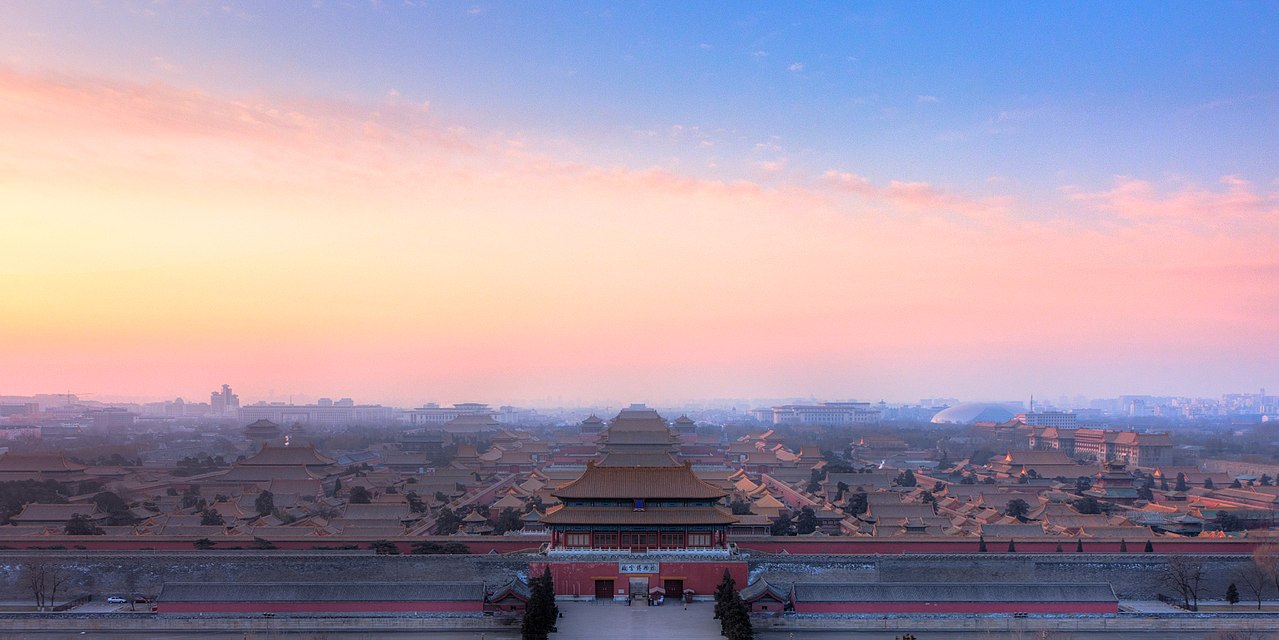
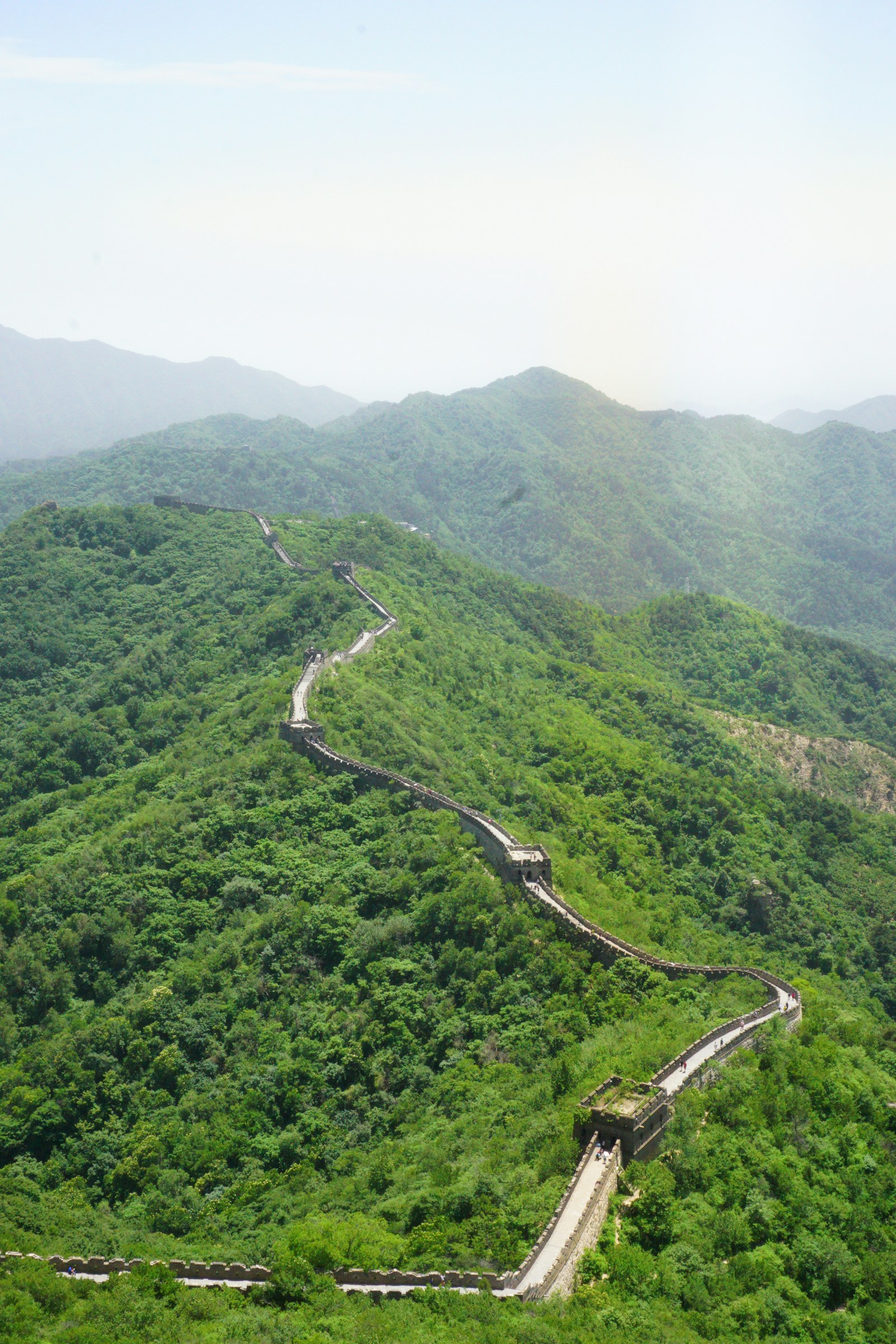
For a week, Beijing works as a complete trip: arrive on day one, use days two to five for separate palace, neighborhood, park and Great Wall outings, leave day six flexible and depart on day seven. The wall is a separate excursion with its own transport and weather decision. This plan deliberately leaves space for meals and museum availability rather than trying to fit every famous site into three days.
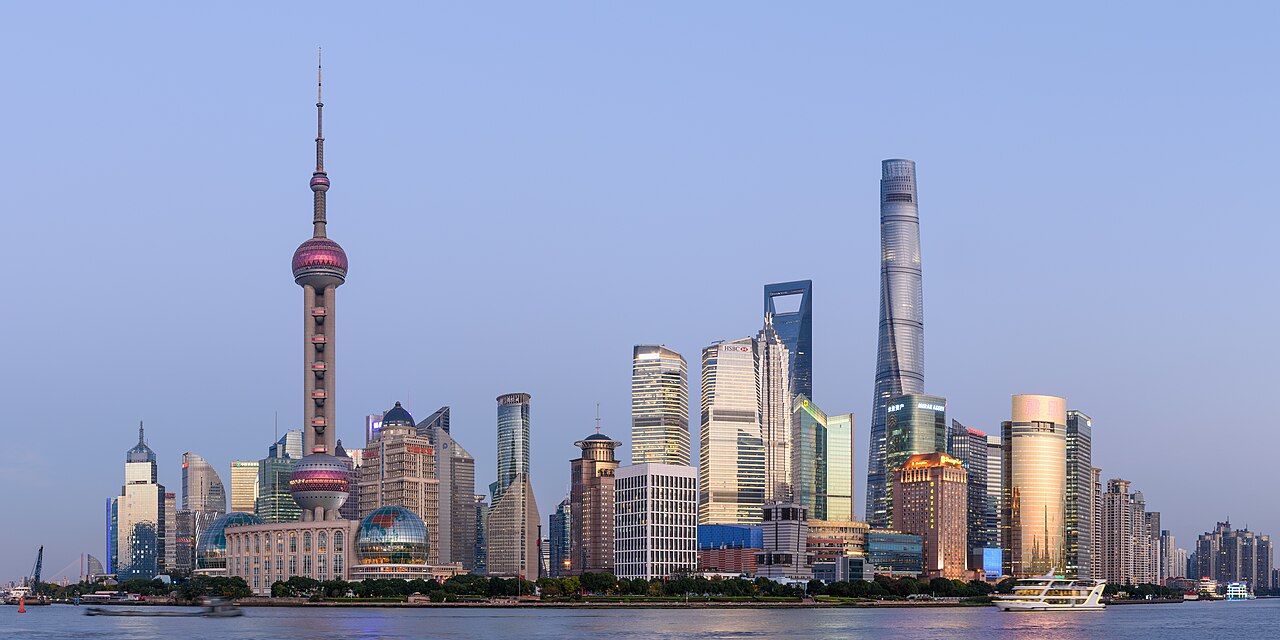
Shanghai offers another coherent week. Arrive on day one, spend days two and three around city neighborhoods and a museum, use day four for a confirmed Suzhou excursion, return to Shanghai for days five and six, and depart on day seven. An overnight in Suzhou is possible, but creates another hotel move. Select that version because you want an evening there, rather than because a checklist includes another city.
Ten days: give two bases proper attention
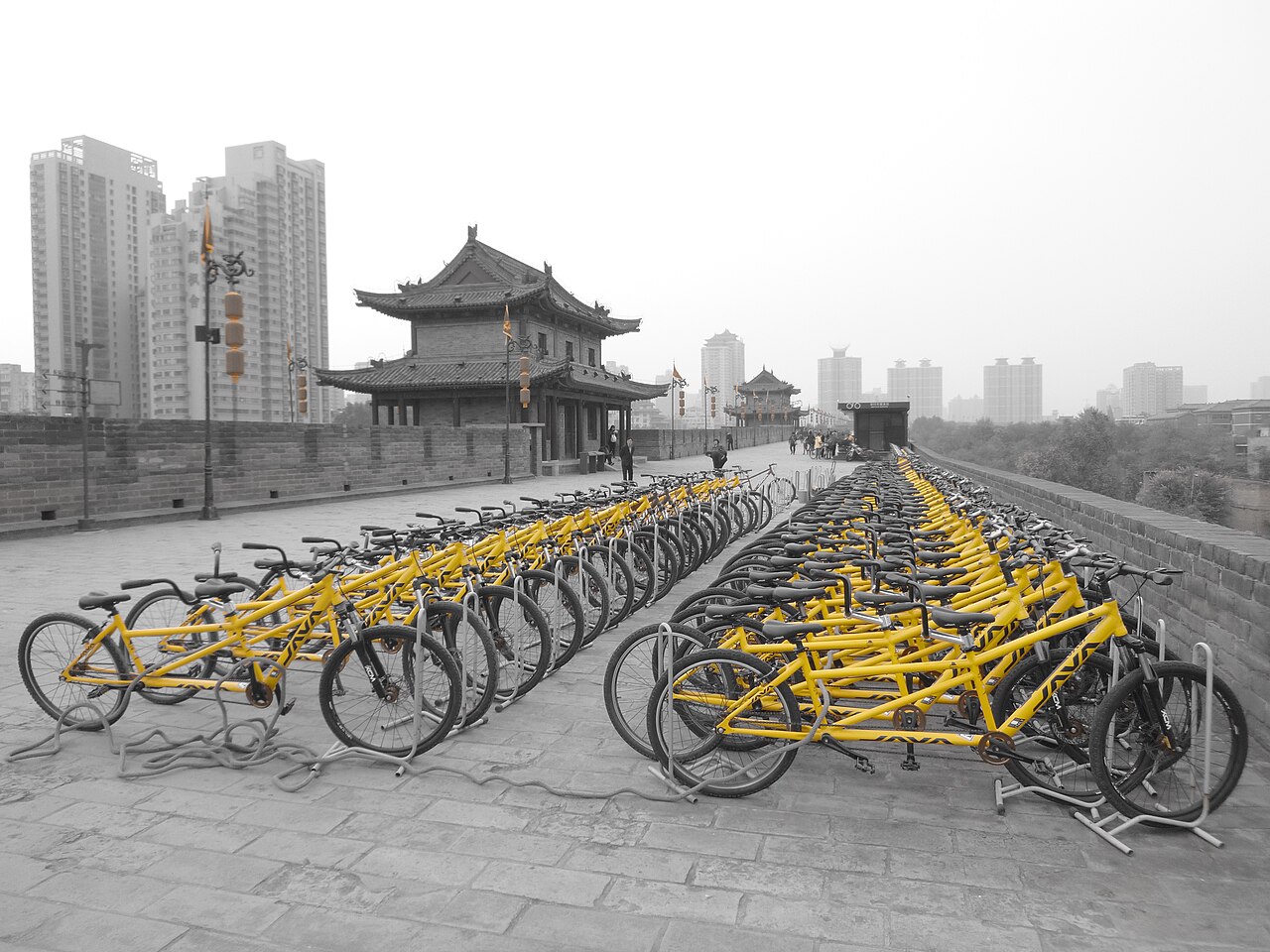
One northern-history option is Beijing on days one to five, a transfer on day six, Xi'an on days seven to nine and departure on day ten. This means one long intercity journey. The Terracotta Warriors occupy a separate outing from central Xi'an; they should not be squeezed between a station arrival and another long departure. Compare a suitable flight home from Xi'an with returning to your original gateway.
A regional alternative is Shanghai and Hangzhou: Shanghai on days one to five, transfer on day six, Hangzhou on days seven to nine and departure on day ten. Suzhou can replace a Shanghai day if the rail and attraction arrangements work. It does not have to become a third overnight base. The tradeoff is fewer regions but more time for gardens, neighborhoods, tea and food.
Fourteen days: three bases, with two long moves
A workable broad introduction is Beijing on days one to five, travel to Xi'an on day six, Xi'an on days seven and eight, travel to Shanghai on day nine, Shanghai on days ten to thirteen and departure on day fourteen. Day thirteen remains flexible rather than becoming a compulsory distant excursion. These day allocations are editorial examples; check whether your flights, rail products and reservations fit before adopting them.
This sequence gives three different city experiences without adding Chengdu, Guilin and Yunnan to the same fortnight. Suzhou could be an optional nearby outing from Shanghai, but only after the main journeys are settled. If pandas or Sichuan food matter more than imperial history, replace a base with Chengdu and rebuild the transport. Substitution preserves time; adding another long journey spends it.
Trip length does not determine entry eligibility
A short holiday is not automatically eligible for visa-free entry. Ordinary visa exemption, a visa and a transit arrangement have different conditions. Transit can depend on nationality, the preceding and onward countries or regions, confirmed onward travel, ports and permitted areas. Check the entire route through the National Immigration Administration, including later amendments such as its August 2026 notice.
For a trip crossing into a new year, check policy validity on the travel dates rather than assuming today's arrangement continues. Hong Kong and Macao have separate immigration arrangements; including them requires checking the relevant crossings and any subsequent mainland entry. Never shorten a fourteen-day plan on paper while keeping bookings that exceed your actual permission.
Let real availability shape the order
Use an official 12306 station-and-date search for every rail leg. A train found for another week is a planning example, and a pending ticket request is not an issued journey. Different stations within a city can change the convenient hotel area and the time needed before departure.
Attraction arrangements also differ. At the November 2026 check, the Palace Museum's visit page required advance arrangements and listed regular closure conditions, while Shanghai Museum East's general individual visit guidance did not require a reservation and retained separate rules for special experiences. Recheck your chosen branch and exhibition. This is a reason to keep city days interchangeable, not a reason to assume either rule applies nationwide.
A practical way to remove one destination
Give each proposed base one sentence explaining why you want to sleep there. If its only purpose is taking a photograph between journeys, compare a simpler outing or remove it. Keep the places connected to your strongest interests, and preserve the last night's access to the actual departure airport.
Then make a second version of the calendar without the least important base. Compare full days, number of hotel changes and the cost of altering tickets. Often the shorter list produces a more varied experience because there is time for a food market, an unhurried museum or an ordinary neighborhood.
Common questions
Can I visit Beijing and Shanghai in seven days?
Yes, if flights and the connecting journey work, but one substantial travel block reduces sightseeing time. Choose this because both cities are priorities and accept a brief visit to each; one base is the more relaxed editorial recommendation.
Does fourteen days mean fourteen hotel nights?
No. These examples count arrival through departure as calendar days. Write the individual hotel check-in and checkout dates; the exact night count depends on your flight times and any overnight transport.
Should I use a sleeper to save a day?
Compare the actual issued berth, sleep requirements and arrival arrangements. A poor night's sleep or a dawn arrival before hotel access can consume the time the timetable appears to save.
Is a week in one city too long?
It depends on your interests. A large city plus a sensible nearby outing can fill a week without constant packing. Leave room for neighborhoods and meals, rather than using the number of famous monuments as the only measure.
Sources & checking notes
- National Immigration Administration — transit conditions and arrival information; read with later amendments
- National Immigration Administration — August 2026 transit amendment
- China Railway 12306 — actual date and station journey search
- Palace Museum — official visit arrangements
- Shanghai Museum East — official individual and special-visit distinctions
Sources checked on 7 November 2026. Workflows, routes and troubleshooting suggestions are editorial guidance. Fees, eligibility, reservations and local services can change; follow the official links before relying on a rule.
Original synthesis of public information and editorial planning advice. We have not performed a live account, payment or on-site test of every workflow. This guide does not claim a firsthand visit or professional accreditation.