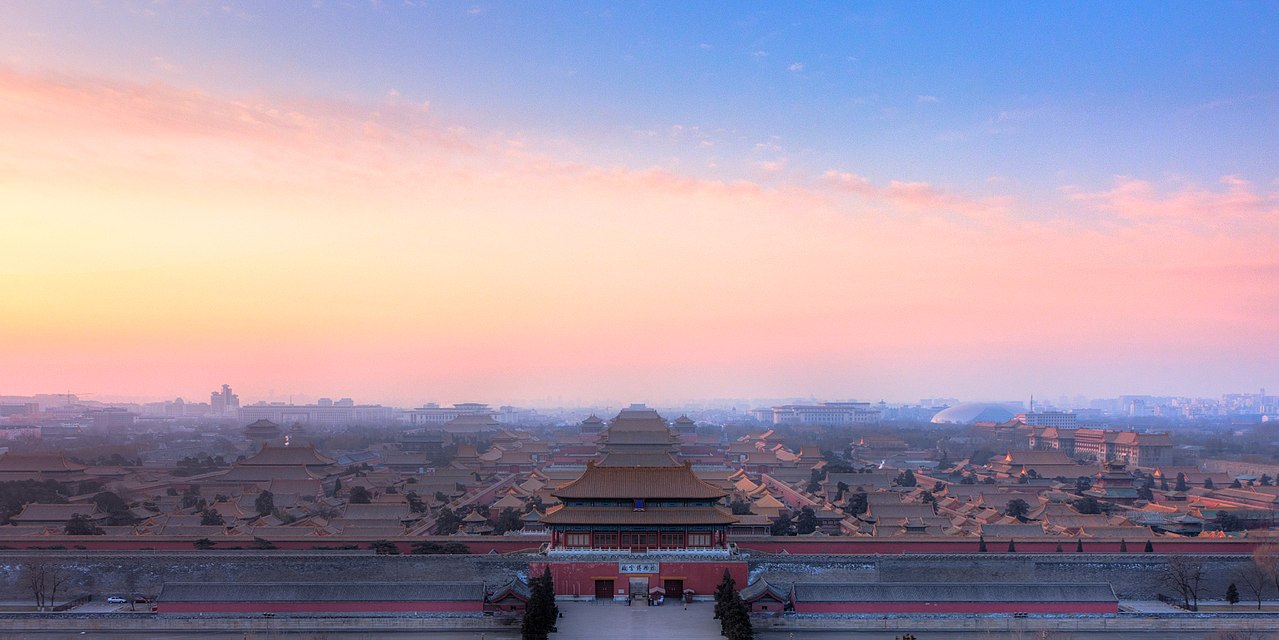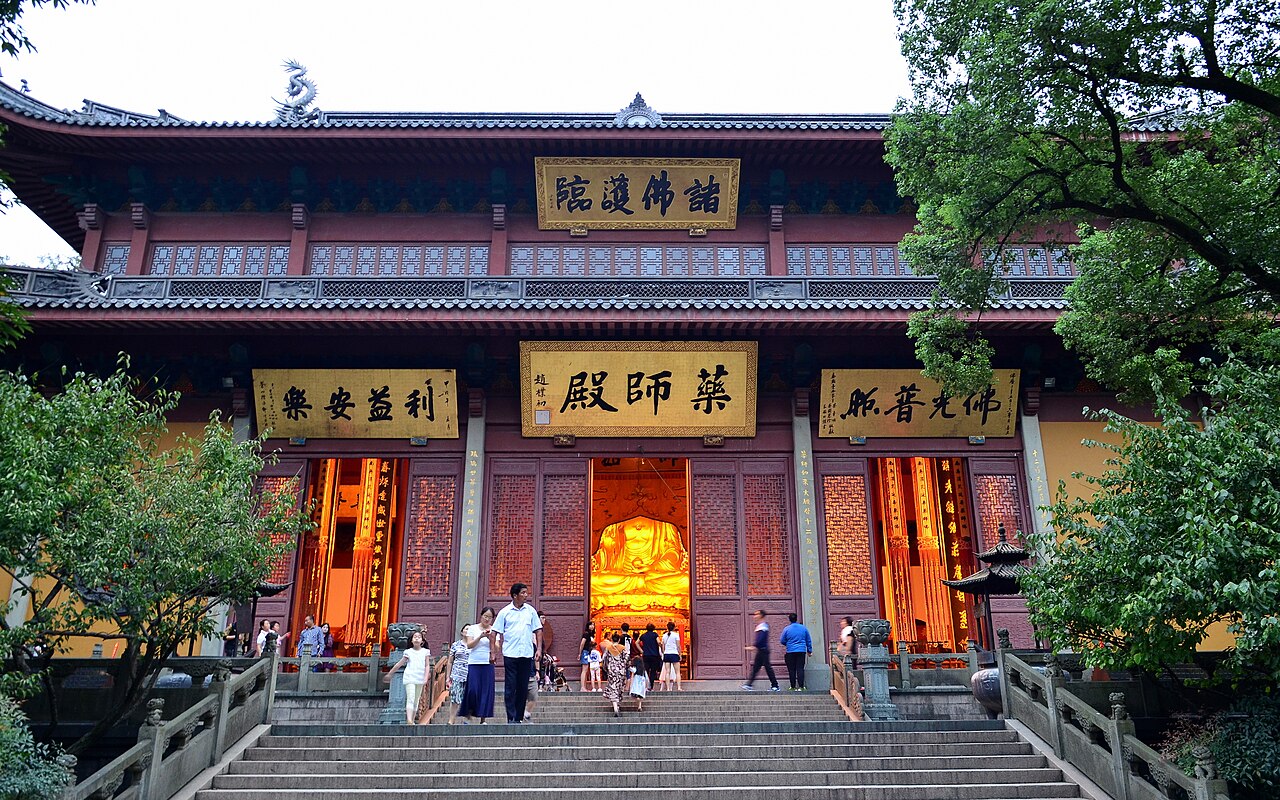
A temple visit becomes more rewarding when you know what kind of place you are entering and let its present users guide your behaviour. Architecture, ritual and visitor access are connected, but they are not identical. Read the site's own introduction and current notices, then explore with curiosity and enough space for worshippers to continue their day.
Start with its purpose and tradition
'Temple' is a broad English label. A Buddhist monastery, a Daoist complex and an imperial sacrificial site do not have the same purpose or visitor conventions. Identify the tradition and history of the particular place before interpreting its figures or copying somebody else's actions.
UNESCO describes Beijing's Temple of Heaven as an imperial sacrificial complex, with an arrangement expressing relationships between heaven, earth and the emperor's ritual role. It should not be treated as simply another Buddhist monastery. Temple of Heaven interpretation
In contrast, UNESCO's Wudang account explains a Daoist building complex integrated with mountainous terrain and developed across successive dynasties. These two examples show why the site's identity matters. An English name, roofline or dramatic photograph does not settle the religious and historical context. Wudang interpretation
Pause at the entrance and read the current rules
Before entering, look for the visitor route, opening notices, restricted spaces and any dress or photography instructions. An admission ticket may cover a wider scenic area while an individual building has its own arrangements. Ask staff when the boundary is unclear.
Fo Guang Shan's practitioner-written guide to Chinese Buddhist temples advises modest dress, quiet voices and checking whether shoes should be removed or photography is permitted before entering a shrine. Its examples explain a Buddhist tradition; local signs and staff instructions still determine how you enter this particular space. Visiting a Buddhist Temple
Silence your phone and organise bags before moving into a narrow doorway. Notice raised thresholds, steps and alternative entrances. If you need a different route, ask early rather than following the crowd into a passage you cannot comfortably use.
Follow the sequence of spaces
Begin with a simple sketch in your mind: entrance, courtyard, principal hall and the route onward. Notice what becomes visible as you move and what remains concealed. You are reading a sequence of approaches and pauses, not only looking for the largest statue.
Fo Guang Shan's guide describes features such as a mountain gate, guardian figures, courtyards and a main shrine within Chinese Buddhist temple layouts. Use these as prompts for observation rather than expecting an identical plan everywhere. Small sites, different traditions and later alterations can produce a different sequence.
At the Temple of Heaven, look instead at the relationship between the principal ritual structures, their geometry and the spaces connecting them. At a mountain complex, terrain may shape the approach. Ask how the movement through a place supports its purpose, and distinguish your observation from a meaning supplied by a guide or label.
Choose a few details to understand properly
After taking in the arrangement, choose one detail: a guardian, an inscription, a roof connection, a painted panel or an offering area. Read its label or ask a knowledgeable guide. A short explanation of one feature can be more useful than photographing every hall without identifying it.
In a Buddhist setting, figures have different identities and roles. Fo Guang Shan's guide explains, for example, guardian imagery near entrances and lotus imagery in relation to awakening. Avoid assigning a universal meaning to every similar-looking figure or colour. Use the site's identification where one is available.
Keep the distinction between material and date visible. A temple's founding story, the date of a surviving building and a later repair are different facts. If a label mentions restoration or replacement, include that in your understanding rather than assuming that every visible surface dates from the site's earliest history.
Let worship and ceremonies set the pace
Give people space to pray, bow, make offerings or join a service. Do not stand between a worshipper and the focus of their practice for a photograph, and avoid turning a ceremony into a posed scene. If a route is temporarily limited, follow the instruction without trying another door.
Photography permission for a courtyard does not automatically extend to a shrine, an image or a person. Ask before photographing worshippers or monastics, avoid flash where prohibited, and put the camera away when permission is uncertain. A respectful visit does not depend on recording every moment.
If you want to participate, ask an authorised member of staff or a volunteer how to do so. Follow the local incense and fire arrangements rather than importing a fixed number or gesture from an online video. Treat purchases and donations as separate choices; ask what a charge is for before agreeing.
Plan for the place you will actually use
Check the operator's current access and booking information, the precise entrance and the time needed for the route you choose. A mountain approach, uneven paving or a sequence of thresholds can change what is feasible for your group. The cultural significance of a building does not establish a step-free route.
Pair the visit with time to sit and read its interpretation rather than rushing between unrelated sacred sites. If you are using a guide, ask which tradition the place belongs to, what its principal spaces do, and which visible structures were built or restored when. These questions produce a more grounded account than a list of generic etiquette rules.
Useful language includes 这里可以拍照吗?— Zhèlǐ kěyǐ pāizhào ma? — 'May I take photographs here?' and 请问游客可以进入吗?— Qǐngwèn yóukè kěyǐ jìnrù ma? — 'May visitors enter?' Ask about the specific room or area, then follow the answer.
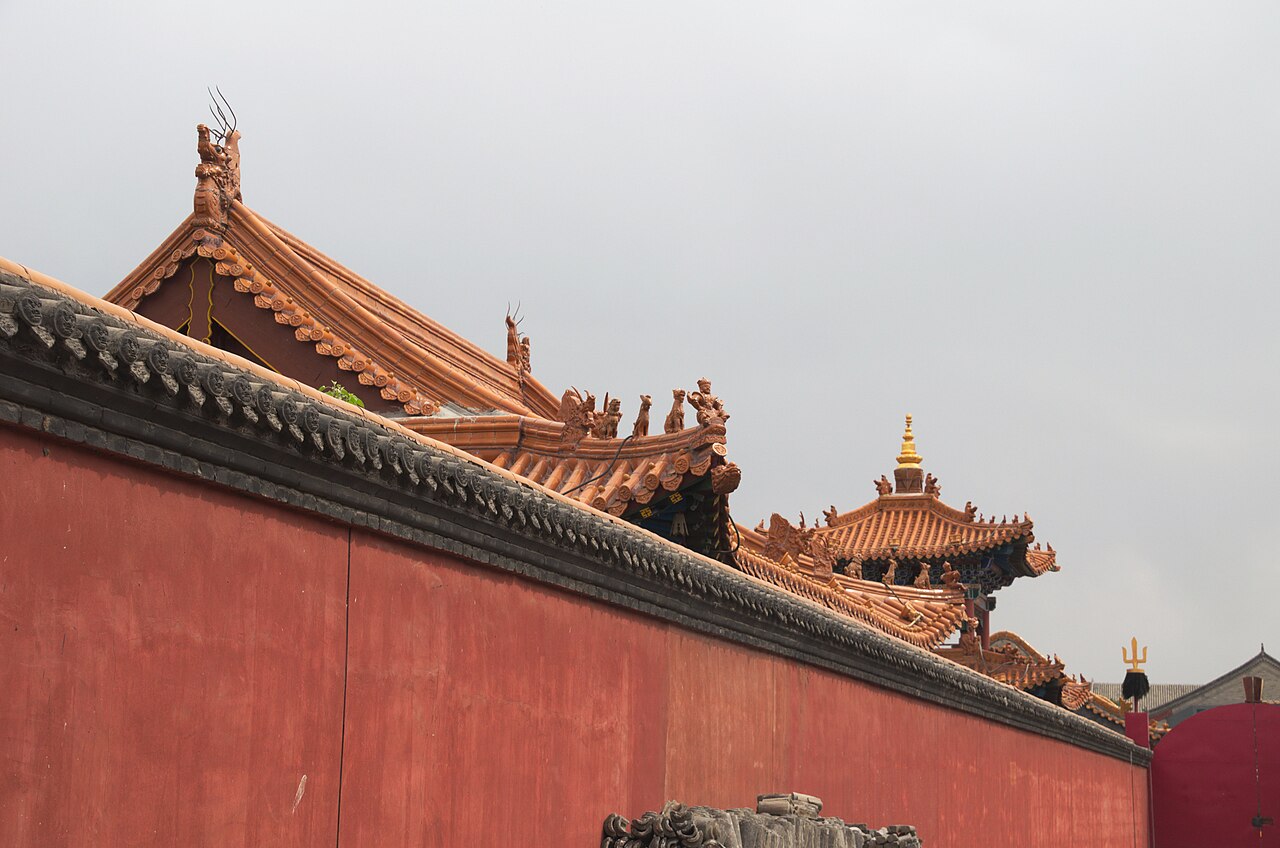
Places in pictures
Common questions
Should I remove my shoes at every Chinese temple?
Follow the particular shrine's signs and staff instructions. The practitioner source explicitly advises checking; one rule should not be assumed for every site or building.
Is the Temple of Heaven a Buddhist monastery?
UNESCO interprets it as an imperial sacrificial complex. Its ritual purpose differs from a Buddhist monastery or a Daoist complex.
Can a non-practising visitor learn from a temple visit?
Check visitor access, follow local instructions and leave room for religious activity. Ask before participating or entering a restricted area.
Sources & checking notes
- Fo Guang Shan International Translation Center: Visiting a Buddhist Temple, 2015/2019 booklet
- UNESCO: Temple of Heaven, imperial sacrificial altar
- UNESCO: Ancient Building Complex in the Wudang Mountains
Sources checked on 7 November 2026. Workflows, routes and troubleshooting suggestions are editorial guidance. Fees, eligibility, reservations and local services can change; follow the official links before relying on a rule.
Original synthesis of public information and editorial planning advice. We have not performed a live account, payment or on-site test of every workflow. This guide does not claim a firsthand visit or professional accreditation.